Back training is harder than it looks. Unlike chest or arms, you can't watch the muscles work, which makes it easy to pull with your arms and wonder why your back never grows. This routine solves that problem from the start: the first exercise exists purely to find the feeling, and everything after builds on it.
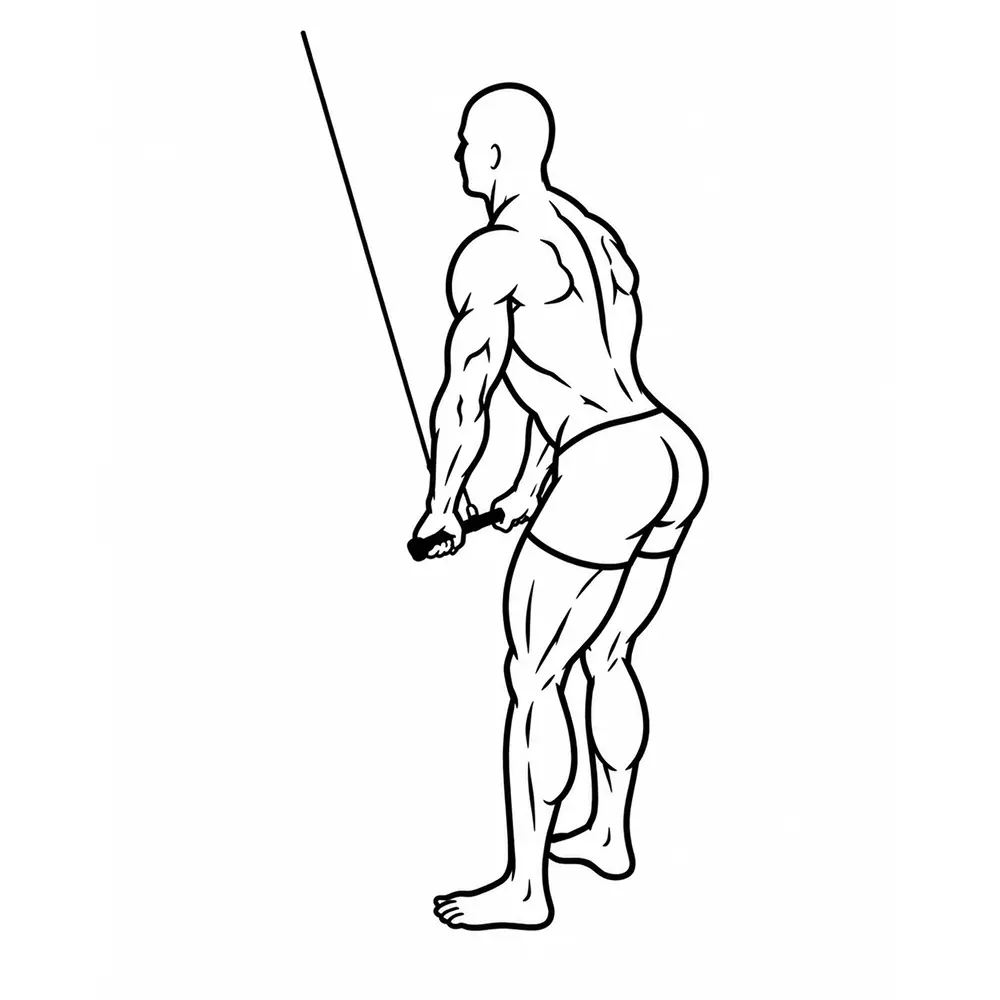
Arm Pulldown
Warm-up — teach your lats to fire before you load them
The straight-arm pulldown is done on a cable machine with your arms extended, pulling the handle down and back in an arc toward your hips. The entire point is lat isolation, and that only happens at light weight. Go heavier and the triceps and lower chest take over, since both muscles assist in pulling the arm down from an extended position. You end up doing an arm exercise with your back along for the ride. Keep the weight low enough that you genuinely feel the lat stretching at the top and contracting at the bottom, and use this as a signal to your nervous system before the harder sets to come.
2 sets × 15–20 reps. Light weight. A mild burn by the last few reps is exactly right.
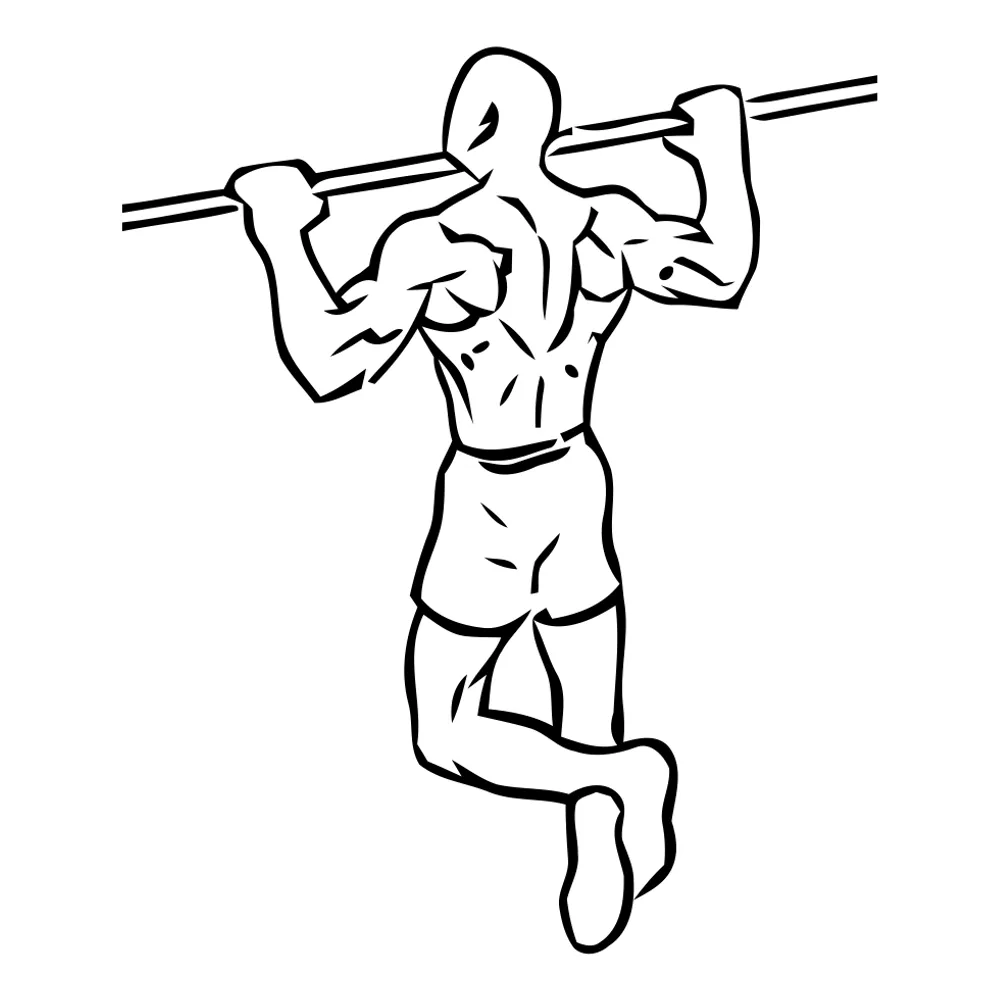
Pull Up
Primary compound movement — the longest range of motion in back training
Pull-ups stretch the lats fully at the bottom and contract them completely at the top, making them the most demanding and rewarding exercise in this session. Start from a dead hang with arms fully extended, and pull until your chin clears the bar. No kipping, no momentum. If bodyweight pull-ups aren't there yet, use a resistance band looped around the bar or an assisted pull-up machine. Both are legitimate options, but treat them as a stepping stone: the goal is to reduce assistance over time.
3 sets × max reps (bodyweight) or 8–10 reps (assisted). Last set goes to failure.
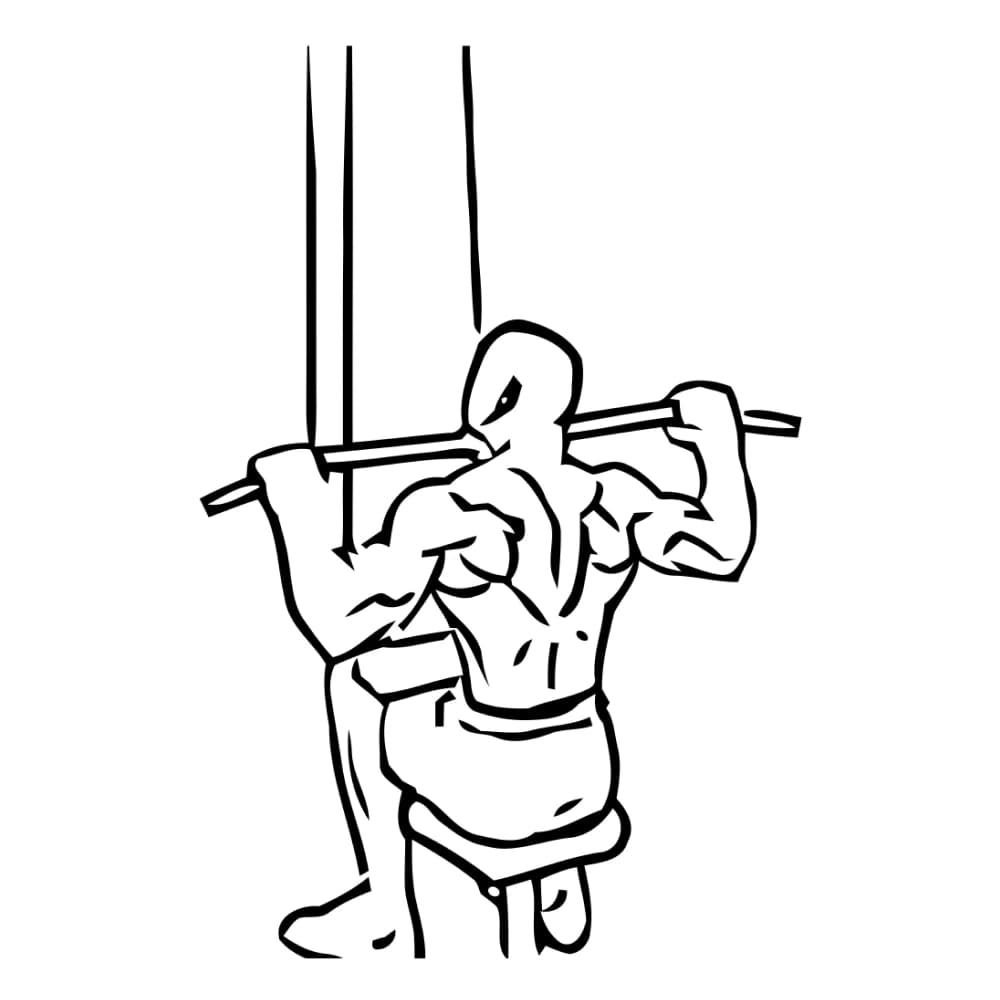
Lat Pulldown
Lat volume — same movement as the pull-up, adjustable load
The lat pulldown mirrors the pull-up mechanically but lets you control the weight precisely, which makes it ideal for accumulating volume after pull-ups have already taxed the lats. Think of pulling your elbows down toward your hips rather than just pulling the bar to your chest. That cue shifts the work away from the arms and into the lats where it belongs. A wider grip gives the lats more of a stretched, spread position at the top; a narrower or neutral grip can allow a deeper contraction through the lower lat fibers. In practice, elbow angle and torso lean matter more than grip width, so experiment with both and use what you feel most in the back.
3 sets × 10–12 reps at 65–70% of your 1RM. Rep 12 of your last set should be a genuine grind.
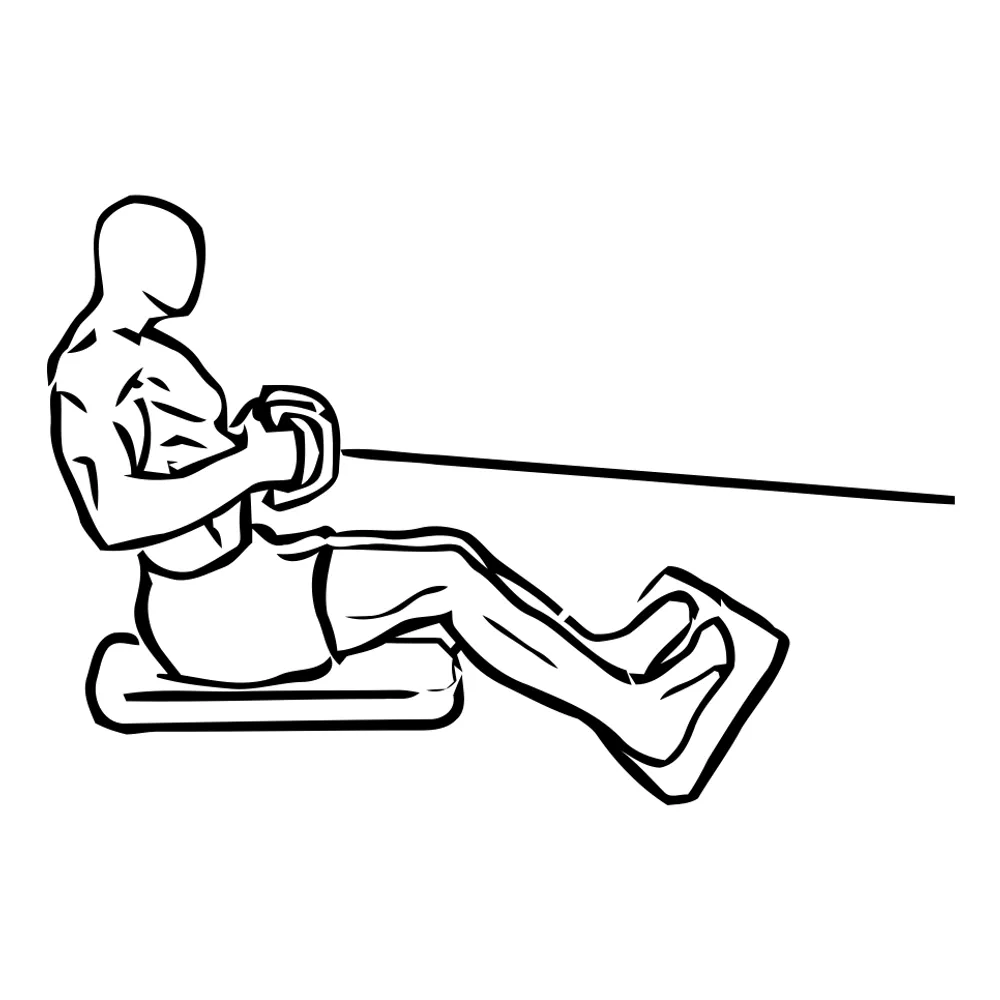
Seated Cable Rows
Thickness — pull with your back, not your momentum
Where pulldowns build lat width, the seated row builds the middle back: the rhomboids and mid-trapezius that create thickness from behind. The common mistake is treating this as a simple pulling motion. When the weight gets heavy, the torso lurches forward on every rep, and the load shifts from the back onto the lower spine. Fix it by placing your feet on the footrest with a slight bend in the knees, then push into it to create tension through the legs and core. That anchor keeps the torso stable without locking the joints. Your torso can have a slight natural rock, but it should never lunge.
3 sets × 10–12 reps at 65–70% of your 1RM. If your form breaks down, the weight is too heavy.
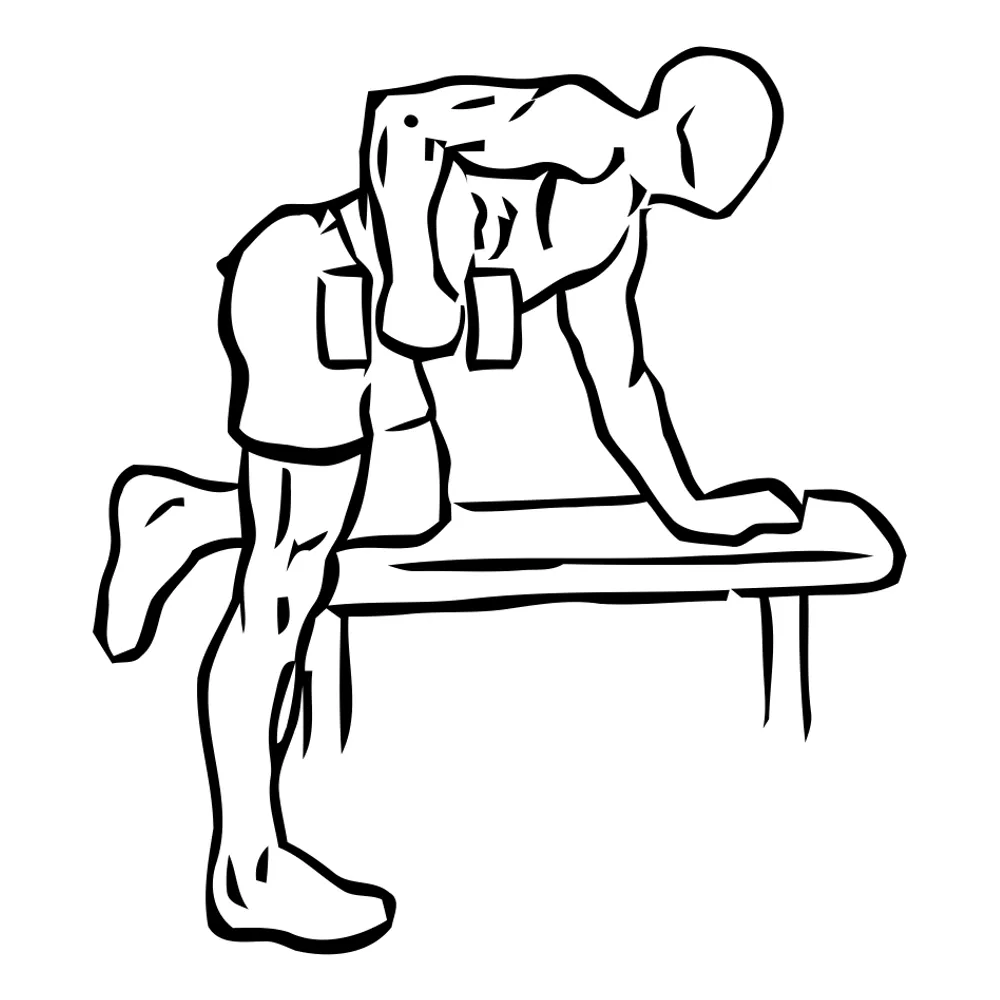
Dumbbell Rear Delt Row
Unilateral work — correct the imbalance you didn't know you had
There are two common setups. The classic approach places one hand and the same-side knee on a bench, which gives a stable base and works well at moderate weights. The alternative keeps both feet on the floor in a staggered stance with just one hand on the bench for support, which makes it easier to maintain a neutral pelvis and transfer more load directly into the lat at heavier weights. Either works; try both and use whichever lets you feel the back doing the work. Because each side works independently, this exercise exposes and corrects the left-right strength differences that bilateral movements paper over. Drive the elbow back along your side, keep the shoulder from shrugging up, and make sure the sensation is in the back, not the arm. The arm is just a hook.
3 sets × 10–12 reps per side. Last set should approach failure at rep 12.
Back training rewards patience more than most muscle groups. The lat connection takes weeks to develop, and the temptation to add weight before that feeling is solid will set you back every time. Run this routine consistently, keep the ego out of the weight selection, and the results follow.