Chest training looks straightforward until you realize you've been doing a shoulder and tricep workout with your chest along for the ride. This routine is built to prevent that: it starts with the heaviest compound work while you're completely fresh, builds volume through the middle, and finishes with isolation that keeps tension on the muscle all the way to the last rep.
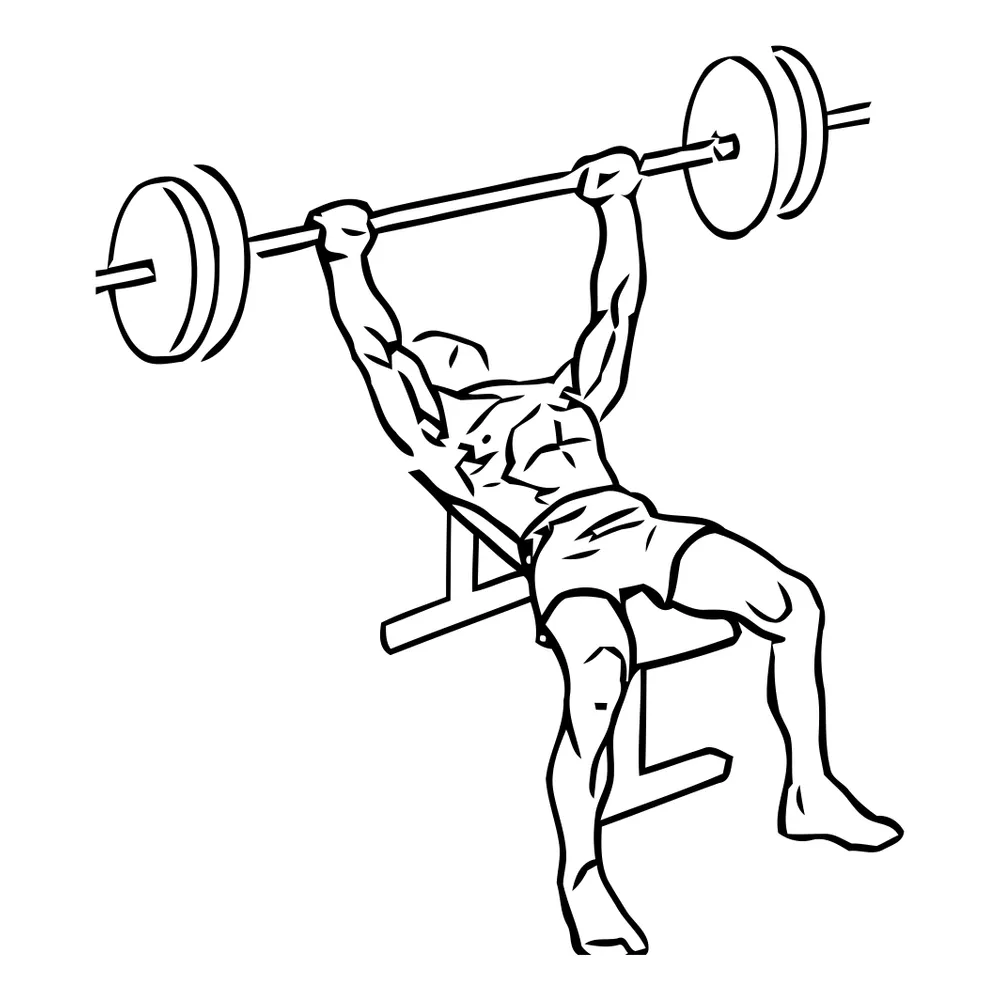
Bench Press
Primary compound movement — the foundation of the session
Before your working sets, run 2–3 warm-up sets with an empty bar. This isn't just about loosening up; it primes the nervous system for the exact movement pattern you're about to load, which matters more for performance than general warm-ups do. For the working sets, set your shoulder blades back and down into the bench and keep them there. Lower the bar to your mid-chest with your elbows at roughly 75 degrees from your torso. On the way up, think about pressing your chest together rather than just pushing the bar away.
4 sets × 6–8 reps at 75–80% of your 1RM. Your last set should reach failure at rep 8.
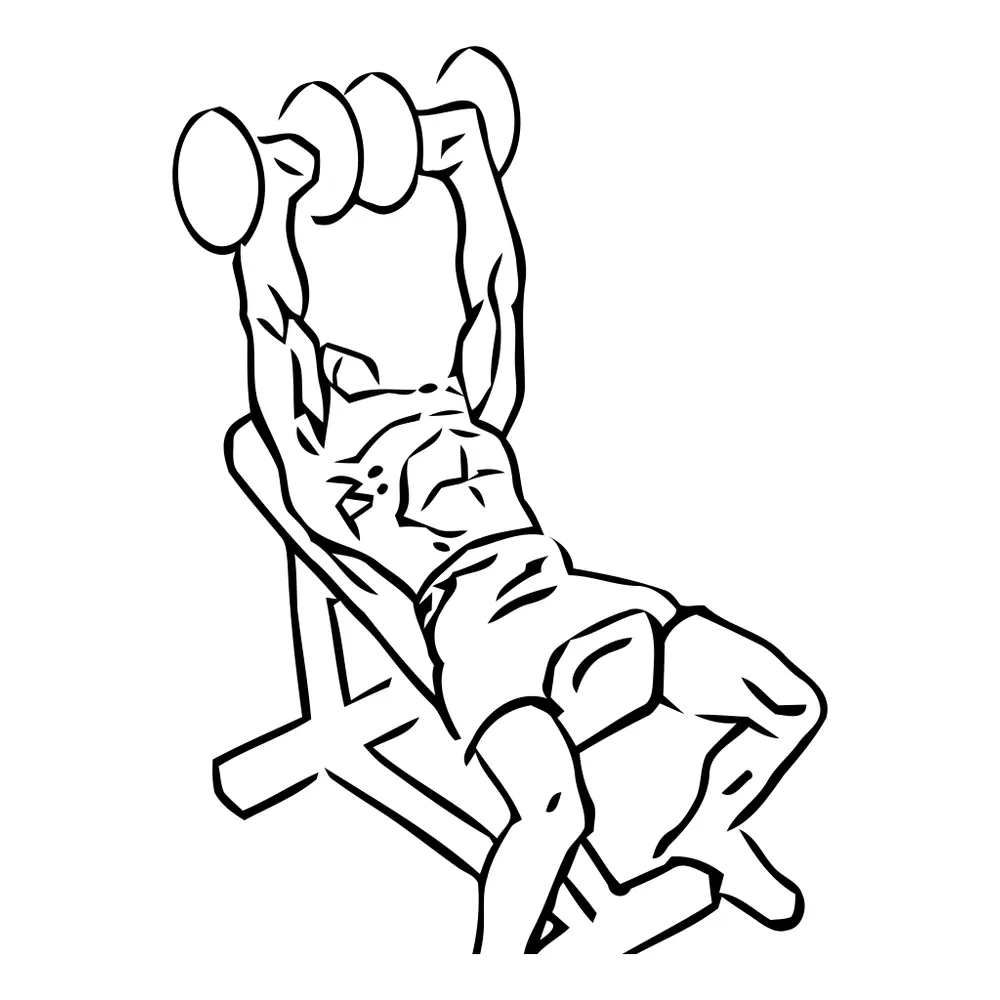
Incline Dumbbell Chest Press
Upper chest — the area flat pressing consistently undertrained
Adjusting the bench to an incline shifts emphasis to the upper pec fibers just below the collarbone. Keep the angle between 15 and 30 degrees. It feels lower than you'd expect, but that range maximizes upper chest involvement while keeping the front deltoid out of the movement. Beyond 45 degrees, this becomes a shoulder exercise. Dumbbells work better than a barbell here because each arm moves independently, allowing a fuller range of motion and making left-right imbalances harder to hide. Lower until you feel a stretch across the upper chest, then drive up and slightly inward.
3 sets × 10–12 reps at 65–70% of your 1RM. Last set reaches failure at rep 12.
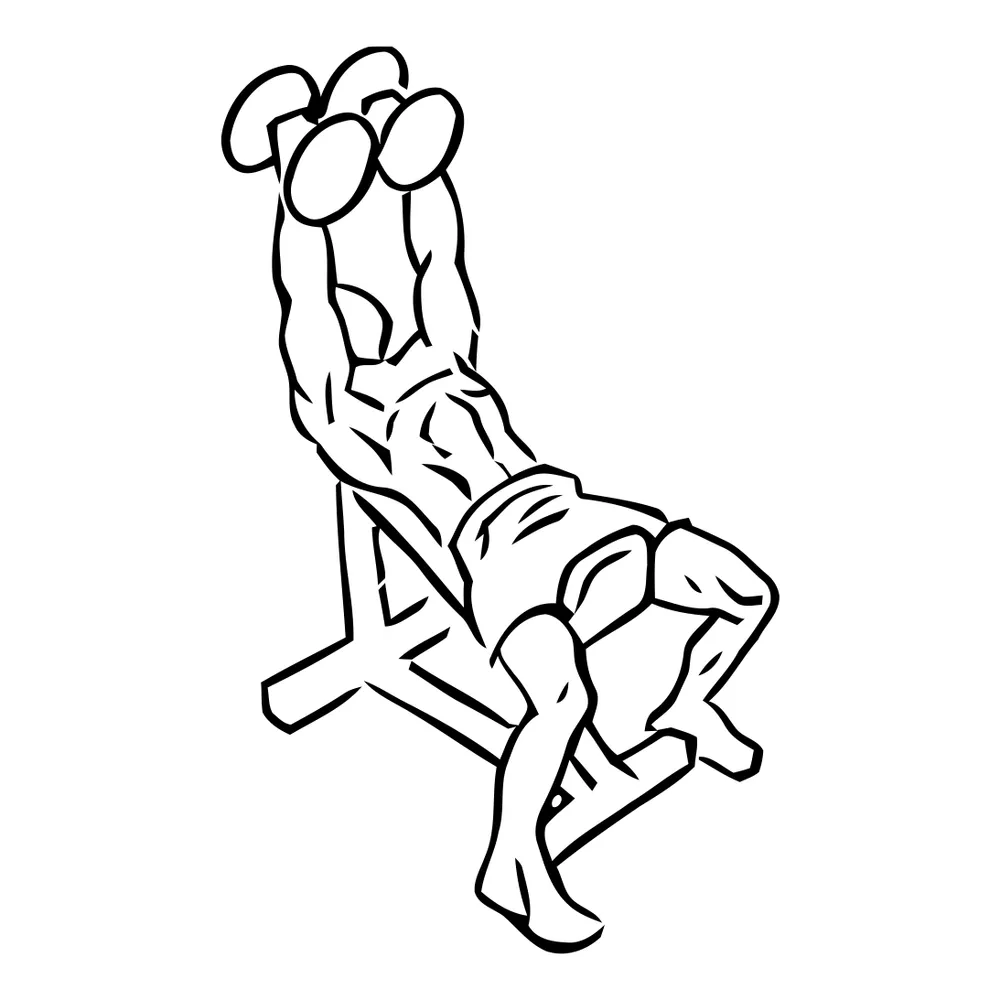
Dumbbell Fly
Isolation — stretch and contract without loading the joint past its limit
The fly removes tricep involvement entirely and focuses the load on the pec stretch and contraction. Lie flat, hold the dumbbells with a slight bend in the elbows, and lower them out to the sides. Stop when your elbows reach roughly the level of your torso, not below it. The shoulder joint is under the most rotational stress at the bottom of the range, and going deeper than this adds risk without adding meaningful muscle stimulus. At the top, squeeze the chest like you're trying to bring the dumbbells together, not just lift them.
3 sets × 12–15 reps. Light weight. Last set reaches failure at rep 15.
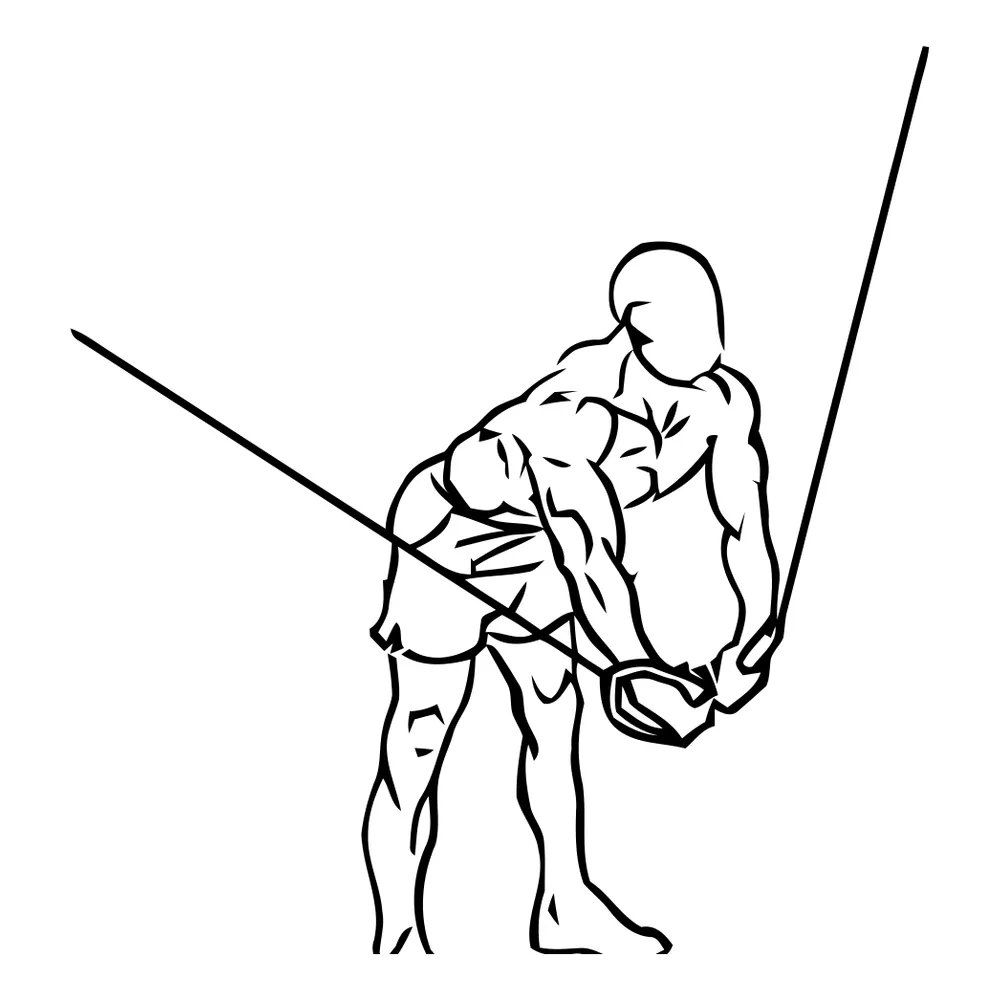
Cable Crossover
Finishing isolation — constant tension through the full contraction
Where the dumbbell fly loses tension at the top as gravity shifts, the cable keeps the chest under load through the entire movement, including at full contraction. Set the pulleys high to emphasize the lower chest, or low to hit the upper portion. Bring your hands past the midline of your body at the finish and hold the contraction for a beat before returning. By this point in the session your chest is already fatigued, so the goal is quality of contraction, not weight on the stack.
3 sets × 12–15 reps. Last set reaches failure at rep 15.
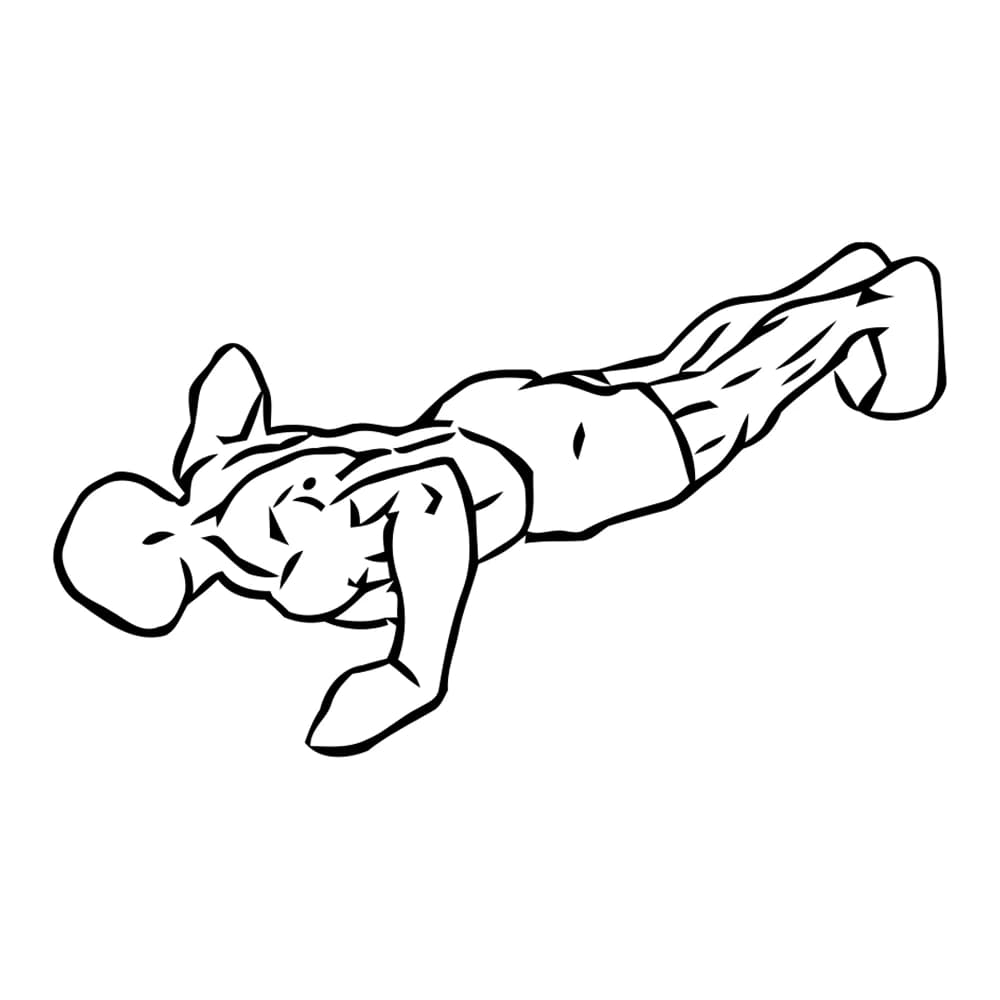
Push Up
Finisher — pump the chest when it has nothing left to give
Push-ups at the end of a chest session serve a different purpose than at the beginning. With the pecs already exhausted from pressing and isolation work, even bodyweight is enough to drive a deep pump and finish the muscle off completely. Go slow on the way down, pause at the bottom, and focus on feeling the chest rather than completing reps. If standard push-ups feel too easy at this point, your earlier sets weren't hard enough.
2 sets × max reps. No target number. Stop when form breaks down.
Chest training is one of the few areas where more isn't better. Five exercises done with real intensity and controlled form will outperform eight exercises done sloppily every time. The bench press is where you build; everything after is where you finish. Treat them differently.