Fruit is often misunderstood in the weight-loss world due to its natural sugar content. However, skipping fruit means missing out on vital fiber, antioxidants, and hydration that actually accelerate fat loss. The secret lies in choosing the right fruits and knowing how to eat them.
Here are the 10 best everyday fruits for weight loss, ranked by their nutritional impact, availability, and fat-burning potential.
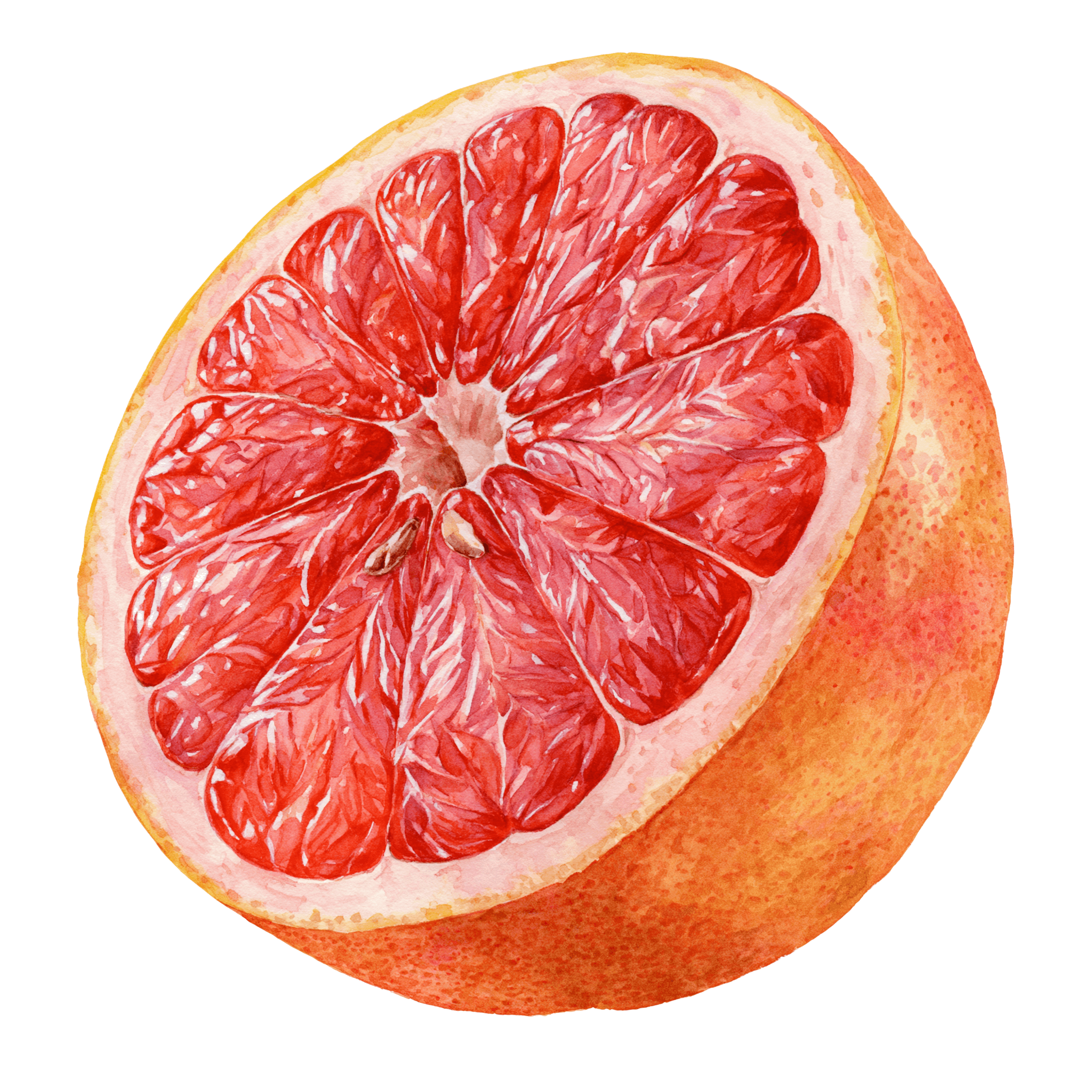
Grapefruit
Nutrition Info (per 100g): 42 kcal | 7g sugar
Why It Works: Grapefruit is rich in naringenin, a powerful antioxidant that improves insulin sensitivity. Better insulin management helps stabilize your blood sugar levels and encourages your body to burn fat rather than store it.
How to Eat: Eat half a fresh grapefruit about 30 minutes before your main meal. Its high water and fiber content will suppress your appetite, naturally reducing your overall calorie intake.
Keep in Mind: Grapefruit contains compounds that interfere with certain medications, including statins (cholesterol drugs) and blood pressure meds. Always consult your doctor if you are on prescription medication.
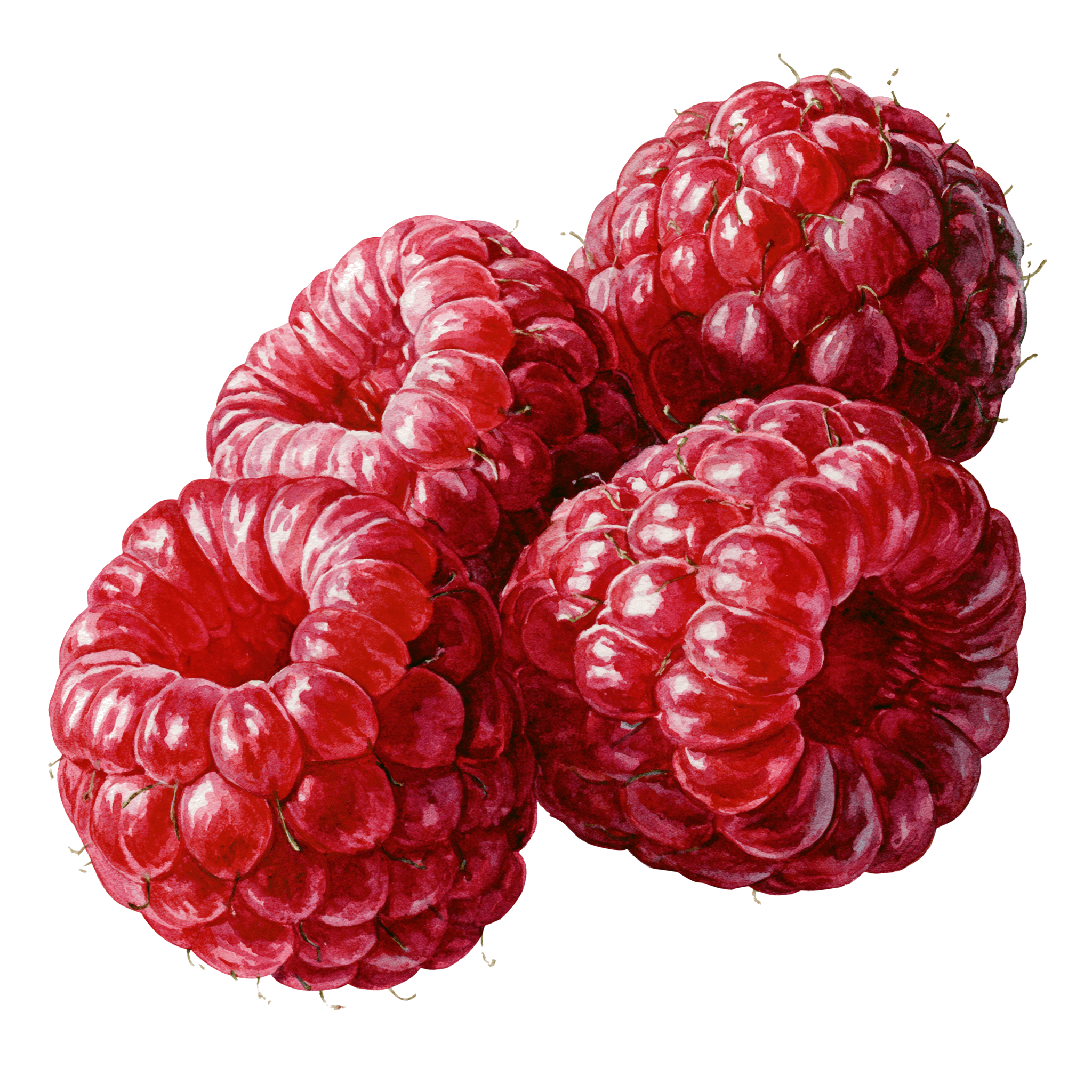
Raspberry
Nutrition Info (per 100g): 52 kcal | 4.4g sugar | 6.5g fiber
Why It Works: Forget the marketing hype around "raspberry ketone" supplements; the real magic of whole raspberries is their incredible fiber-to-sugar ratio. With a massive 6.5g of fiber and very little sugar, they keep digestion slow and satiety high, effectively preventing hunger pangs.
How to Eat: Toss a handful over unsweetened Greek yogurt or morning oatmeal to slow down the absorption of carbohydrates.
Keep in Mind: Fresh raspberries can be expensive and spoil quickly. Buying them frozen without added sugars is a highly cost-effective and equally nutritious alternative.
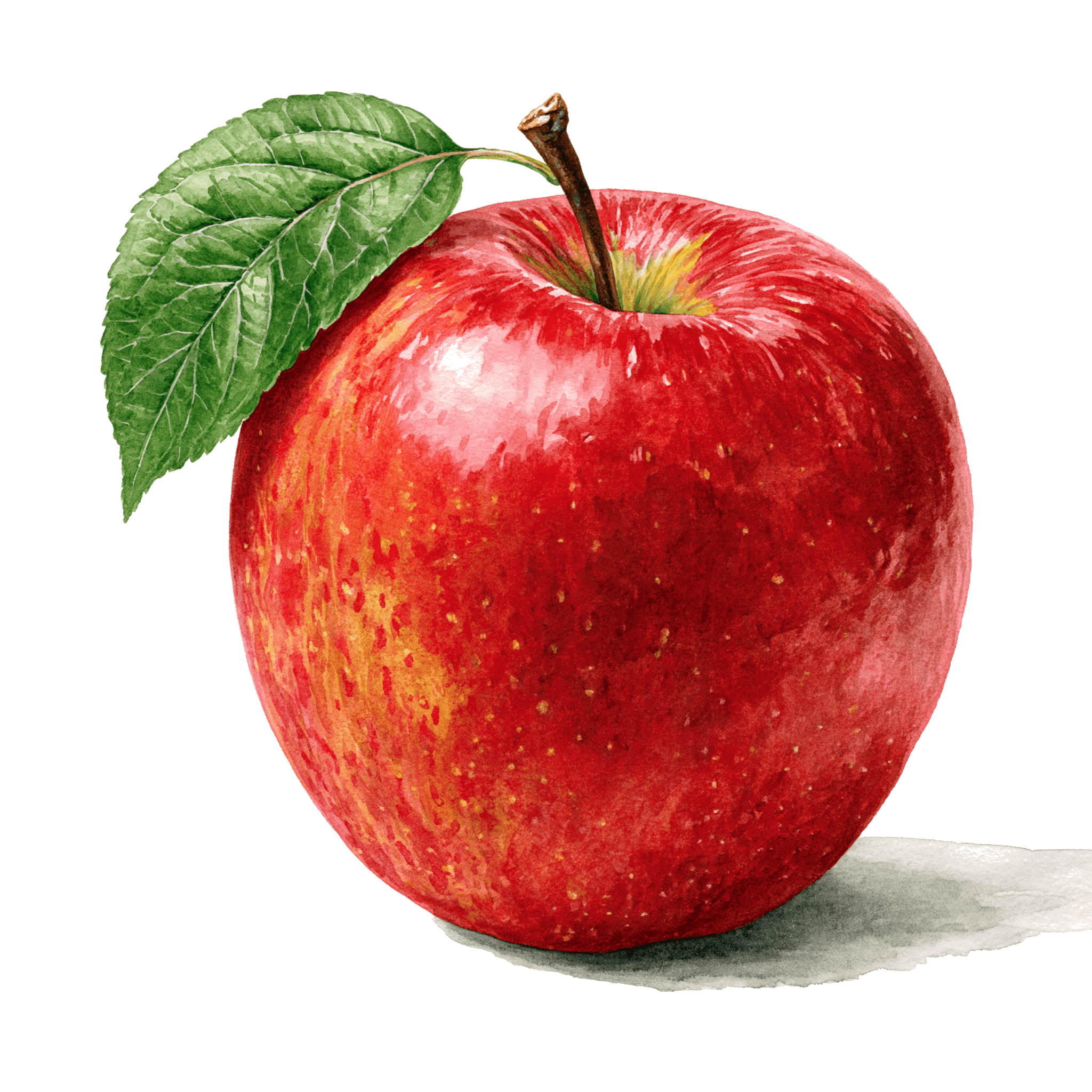
Apple
Nutrition Info (per 100g): 52 kcal | 10g sugar
Why It Works: Apples are packed with pectin, a soluble fiber that turns into a gel-like substance in your gut, slowing down digestion. Furthermore, the physical act of chewing something crunchy sends fast satiety signals to your brain.
How to Eat: The majority of the fat-fighting pectin is in the skin. Wash the apple thoroughly and eat it unpeeled as a perfect mid-afternoon snack.
Keep in Mind: While healthy, they do contain fructose. It is best to eat them during the day when you are active, rather than late at night right before bed.
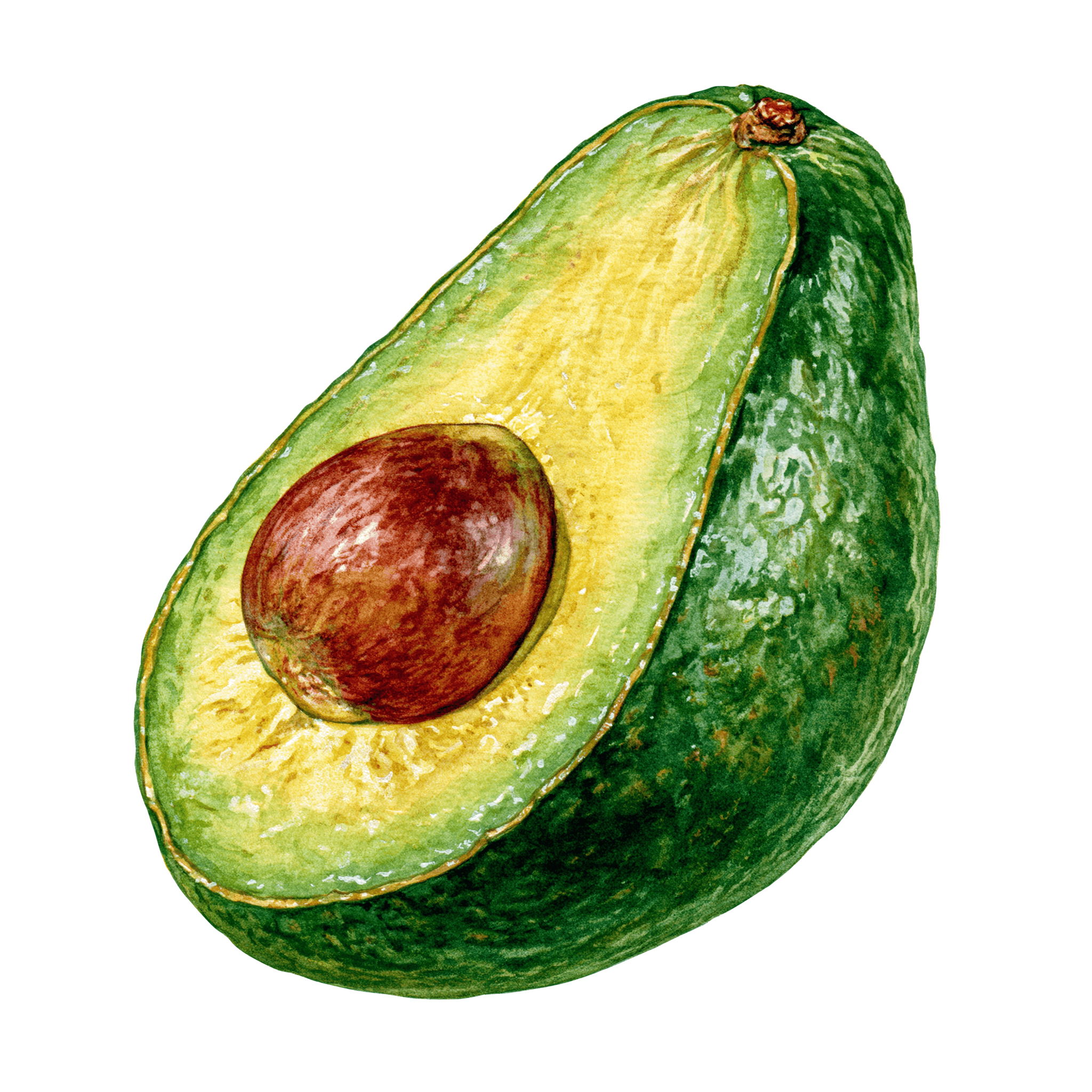
Avocado
Nutrition Info (per 100g): 160 kcal | 0.7g sugar | 15g fat | 7g fiber
Why It Works: Avocados are unique because they are loaded with healthy monounsaturated fats (oleic acid) and a stellar amount of dietary fiber. This fat-fiber combo crushes "fake hunger" and regulates appetite-controlling hormones, keeping you full for hours.
How to Eat: Mash half an avocado on a piece of whole-grain toast, or add slices to a salad to help your body absorb fat-soluble vitamins from other vegetables.
Keep in Mind: They are very calorie-dense. If you are strictly monitoring calories for weight loss, stick to one-half of an avocado per day.
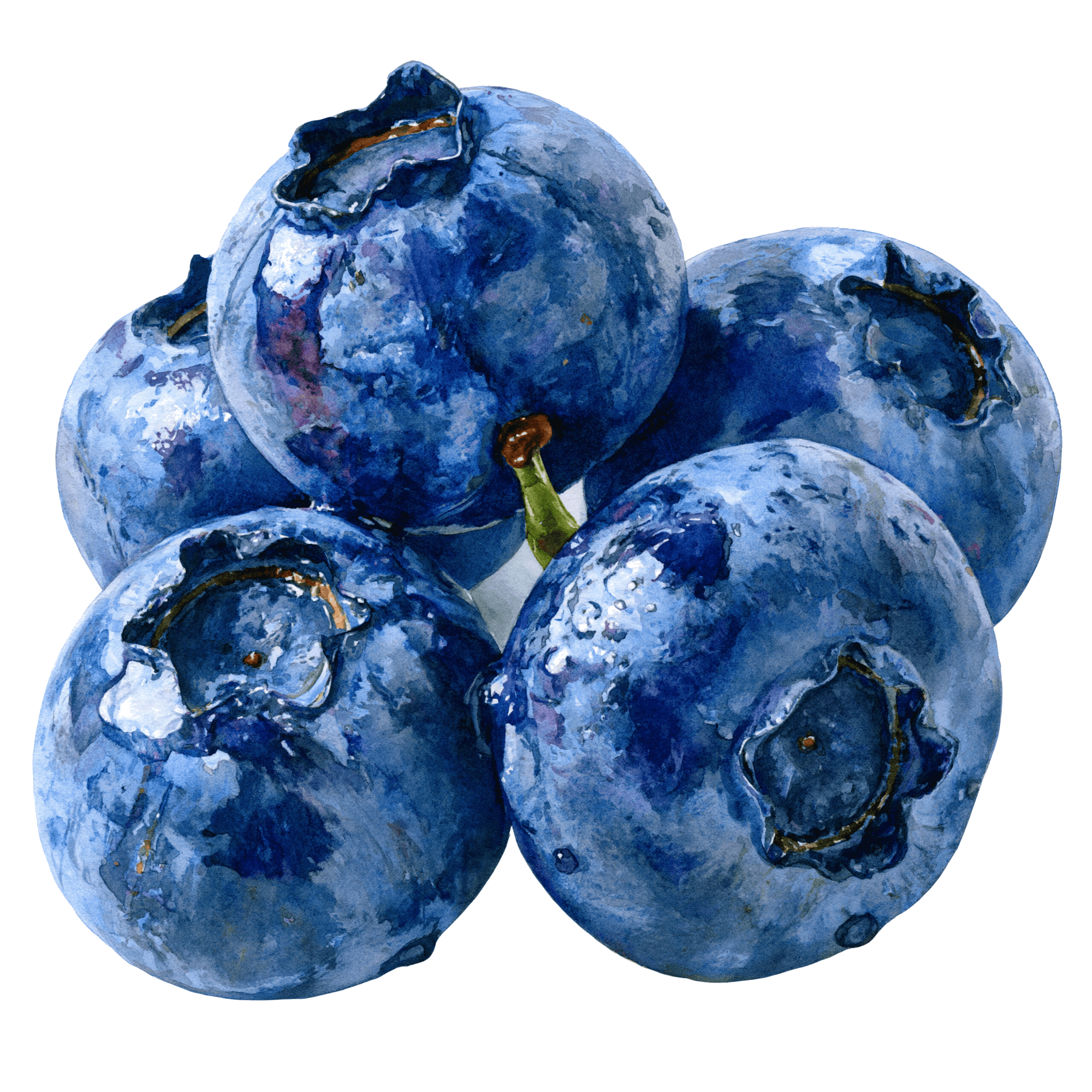
Blueberry
Nutrition Info (per 100g): 57 kcal | 10g sugar
Why It Works: Blueberries are a powerhouse of anthocyanins. These potent antioxidants help reduce chronic inflammation caused by excess body fat and may even inhibit the formation of new fat cells at the molecular level.
How to Eat: Blend them into your morning protein smoothie or use a small handful (about 20-30 berries) as a vibrant salad topping.
Keep in Mind: Their small size makes mindless snacking easy. Always portion them out into a bowl before eating rather than eating straight from the container.
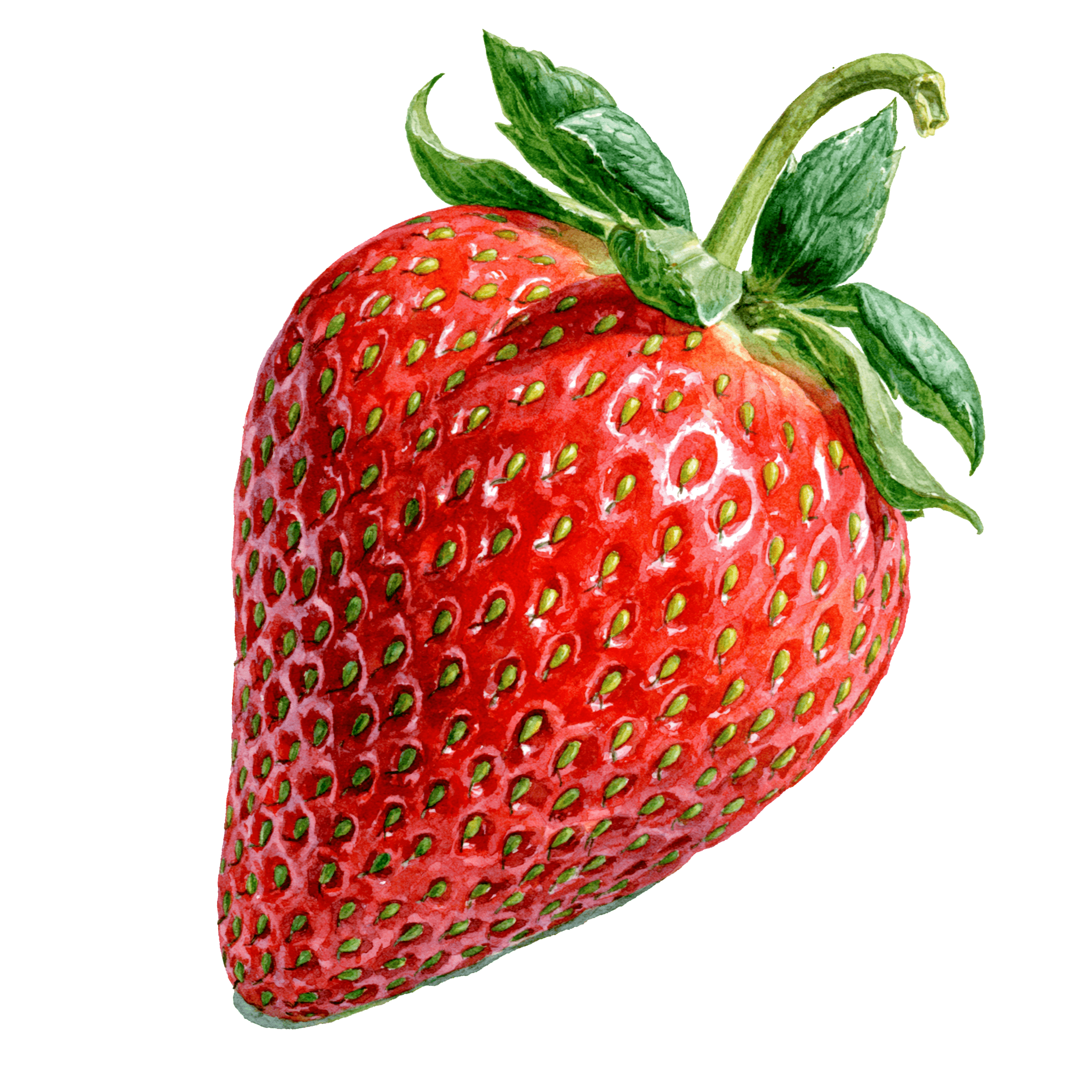
Strawberry
Nutrition Info (per 100g): 32 kcal | 4.9g sugar
Why It Works: Strawberries are over 90% water and incredibly low in calories. When sugar cravings hit during a diet, strawberries perfectly satisfy your sweet tooth without derailing your caloric deficit.
How to Eat: Enjoy a whole bowl of fresh strawberries as a guilt-free dessert after dinner to maximize visual and physical fullness.
Keep in Mind: They frequently top the list for pesticide residue. Opt for organic strawberries when possible, or wash them meticulously with baking soda and water before eating.
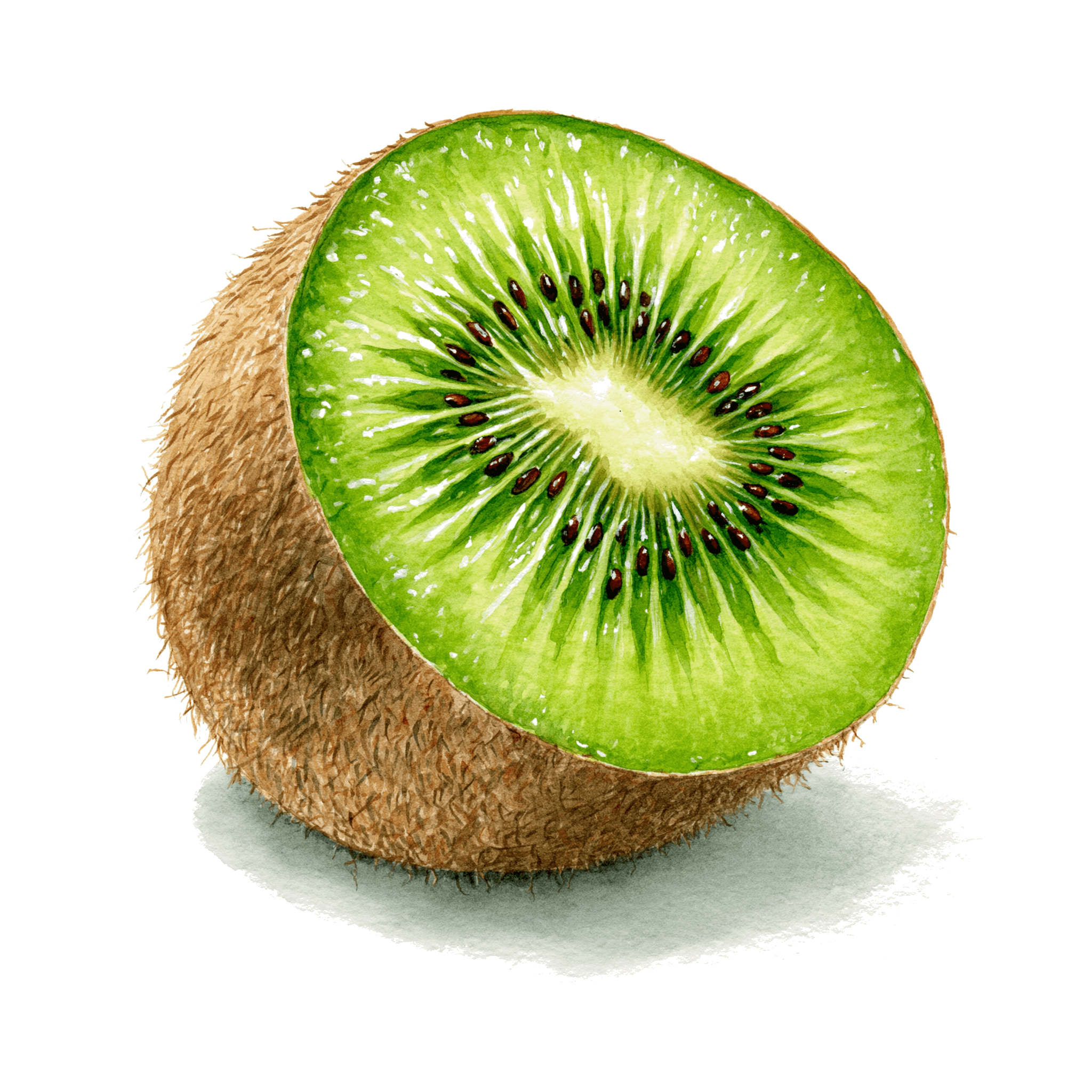
Kiwi
Nutrition Info (per 100g): 61 kcal | 9g sugar
Why It Works: Kiwis contain actinidin, a natural enzyme that breaks down proteins and significantly improves digestion. More importantly, research shows that eating a kiwi before a meal slows down the absorption of carbohydrates, effectively dampening blood sugar spikes.
How to Eat: Cut one in half and scoop it out with a spoon right before eating a carb-heavy meal to harness its blood-sugar-blunting effects.
Keep in Mind: Overconsumption can lead to a stinging sensation on your tongue and the roof of your mouth due to its high acidity and active enzymes. Stick to 1-2 kiwis a day.
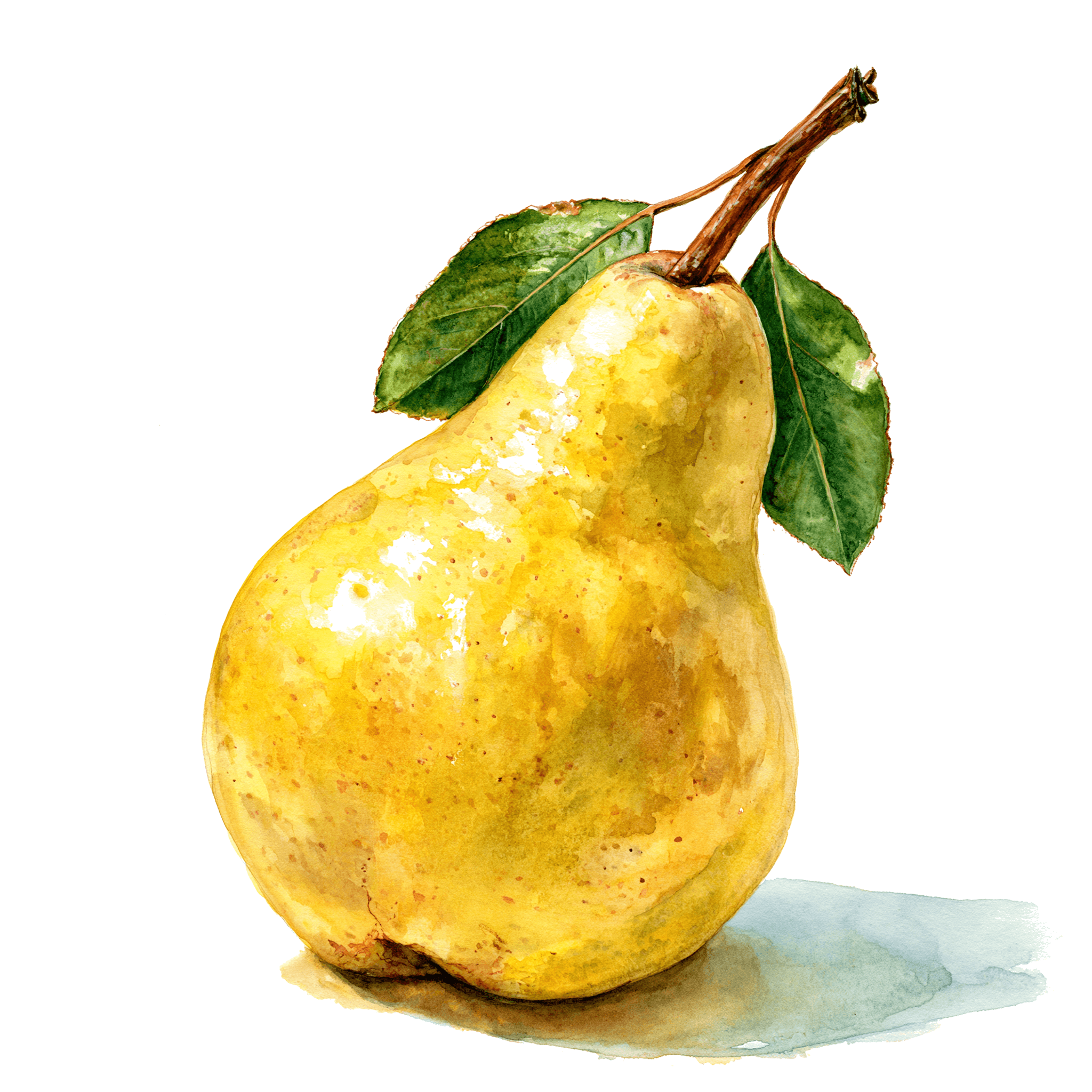
Pear
Nutrition Info (per 100g): 57 kcal | 10g sugar
Why It Works: Pears pack even more fiber than apples. They are also highly rich in potassium, which flushes excess sodium from your system, directly combating stubborn water retention and bloating (edema).
How to Eat: Slice them thin and pair them with a small handful of raw almonds. The protein and fat from the almonds will further slow the sugar release.
Keep in Mind: Pears contain sorbitol and certain FODMAPs. If you have sensitive digestion or IBS, eating too many can cause uncomfortable gas and bloating.
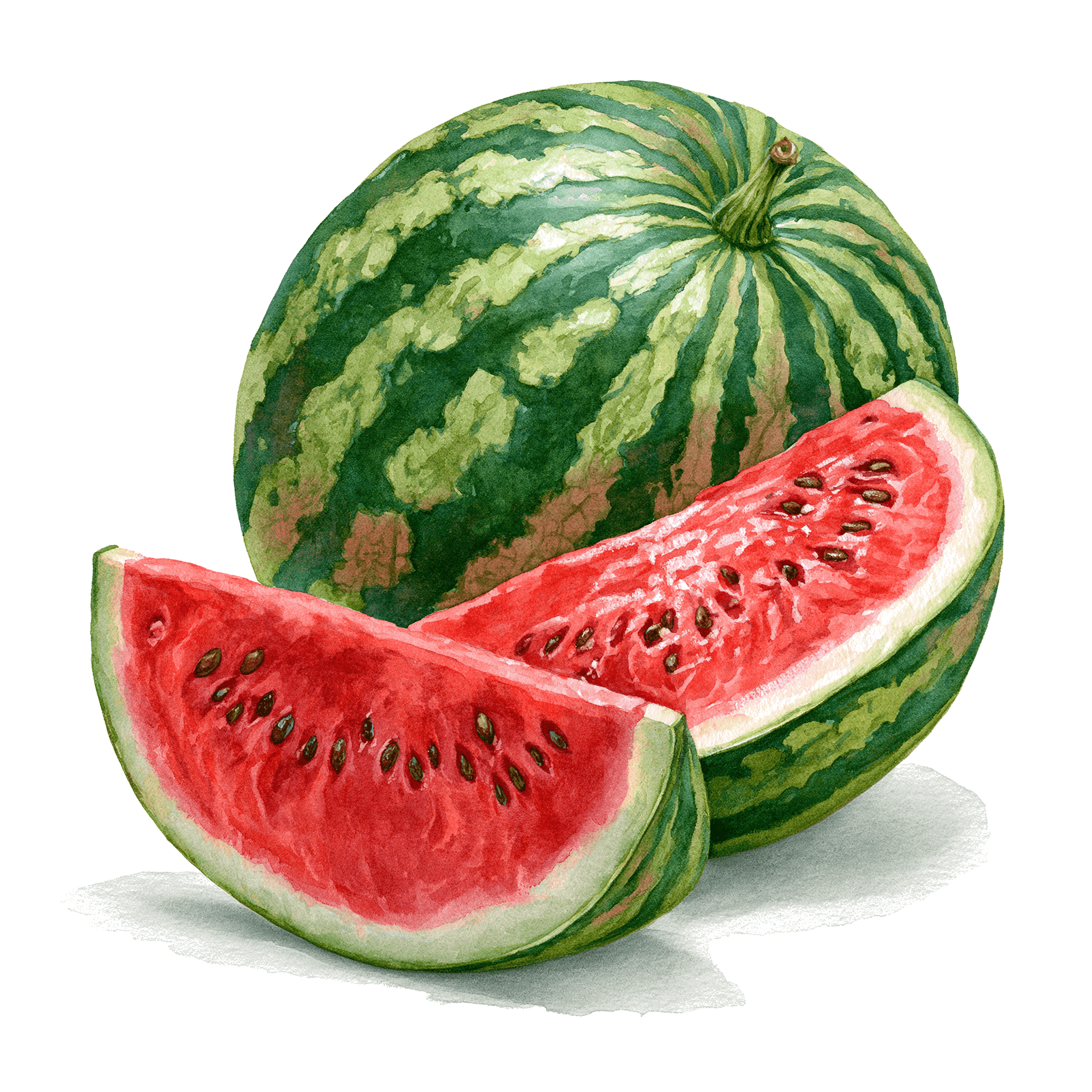
Watermelon
Nutrition Info (per 100g): 30 kcal | 6g sugar
Why It Works: Watermelon is the ultimate "volume eating" food, being 92% water. While it has a high Glycemic Index (GI), its actual Glycemic Load (GL) is exceptionally low because the total carb count per typical serving is minimal. It also contains arginine, an amino acid linked to lower body fat accumulation.
How to Eat: Cut it into large chunks during hot summer months to knock out dehydration and fake hunger simultaneously.
Keep in Mind: Despite the low GL, portion control still matters. Eating a massive amount in one sitting can still trigger an unwanted insulin response.

Lemon
Nutrition Info (per 100g): 29 kcal | 2.5g sugar
Why It Works: Ditch the pseudo-science "detox" myths—lemons are scientifically beneficial because they support liver enzyme activity and encourage higher water consumption. This optimal hydration naturally aids your body's waste elimination processes and metabolic rate.
How to Eat: Squeeze half a lemon into a large glass of lukewarm water and drink it first thing in the morning to kickstart your hydration.
Keep in Mind: Lemon juice is highly acidic and can erode tooth enamel over time. Drink your lemon water through a straw and lightly rinse your mouth with plain water afterward.
While the fruits on this list are incredibly beneficial for weight loss, they are not a free pass to eat unlimited amounts. It is a common misconception that because fruit is "healthy," you can eat as much as you want. At the end of the day, fruit still contains natural sugars (fructose). Consuming excessive amounts of fructose will easily push you into a calorie surplus, which can quickly stall your weight loss progress or even lead to weight gain.
The secret to success is moderation. Treat fruit as a strategic tool to crush sugar cravings, boost your daily fiber intake, and hydrate your body—not as an all-you-can-eat buffet. Stick to 1 to 2 smart servings a day, integrate them into a balanced diet rich in protein and healthy fats, and you will naturally achieve your weight loss goals.