Most people's front delts are already overdeveloped. Bench press, overhead press, and almost every pushing movement hammers the front of the shoulder, which means a dedicated shoulder session should be spending its energy elsewhere: on the side and rear delts that actually create width and depth. This routine is built around that idea.
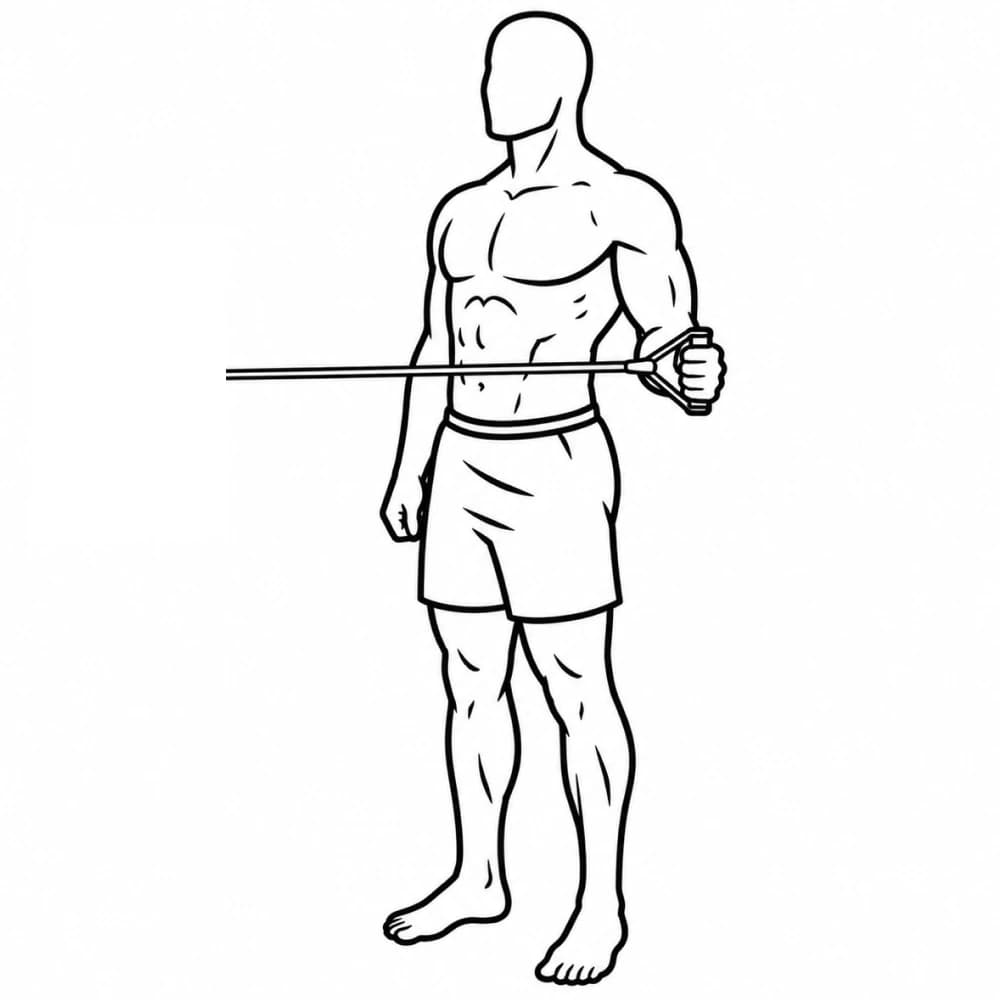
Band External Rotation
Warm-up — activate the rotator cuff before loading the joint
The rotator cuff stabilizes the shoulder through every press and raise in this session. Skipping this warm-up is a long-term injury waiting to happen. Hold a light band with elbows bent at 90 degrees and rotate your forearms outward against the resistance. The movement is small and the load is minimal, but it makes a measurable difference in shoulder stability under heavier work.
2 sets × 15 reps. Resistance should feel almost trivial.
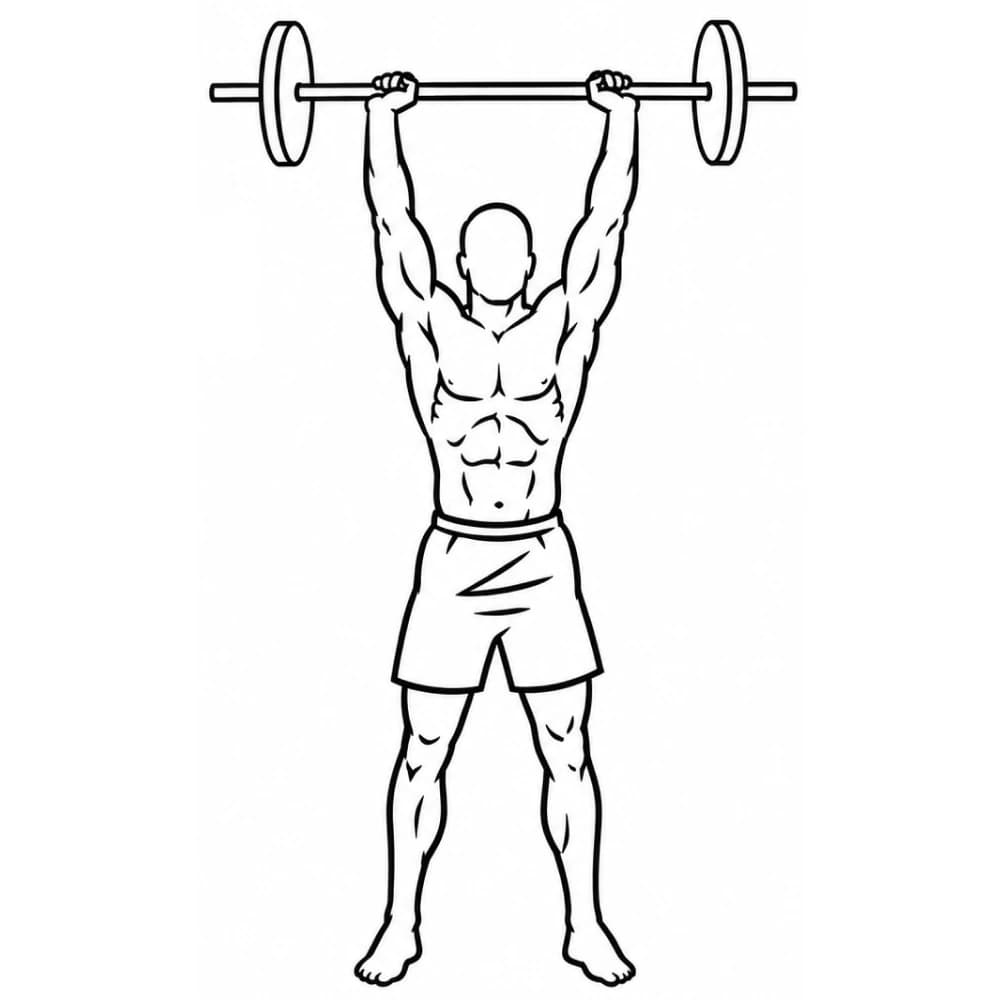
Military Press
Primary compound movement — overhead strength from the ground up
The military press is performed standing, which demands full-body stability in a way seated pressing doesn't. Brace the core hard before the bar moves. Press the bar in a straight vertical path, pulling your head back slightly as it passes your face, then returning to neutral at the top. Lock out fully overhead. The temptation to arch the lower back increases with fatigue; resist it. This is a strict press, not a push press. Leg drive is not part of the movement.
4 sets × 6–8 reps at 75–80% of your 1RM. Last set reaches failure at rep 8.
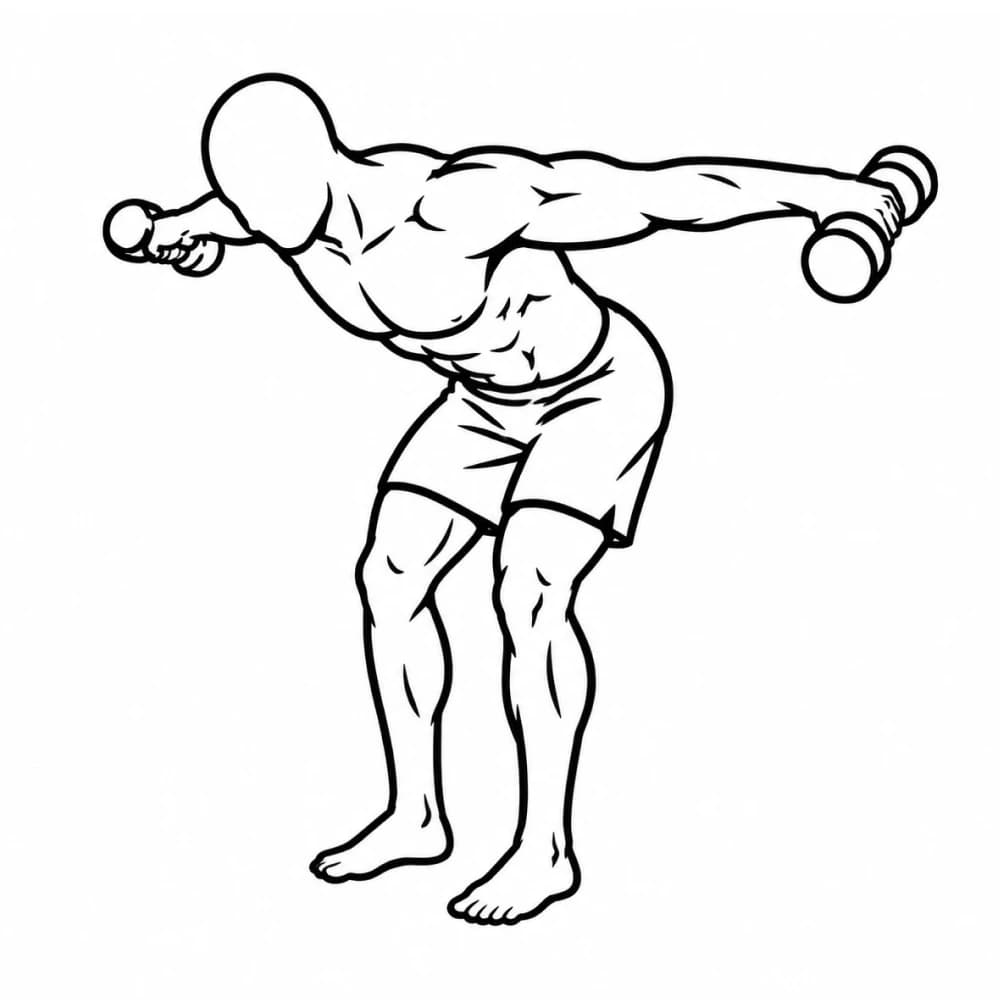
Rear Delt Fly
Rear delt — the weakest link, trained first while focus is high
The rear deltoid is the most underdeveloped part of the shoulder for most people, and it's also the part most responsible for the three-dimensional look that separates a developed shoulder from a flat one. Placing it here, right after the heavy press, ensures it gets full attention before fatigue accumulates. Hinge forward at the hips to about 45 degrees, hold the dumbbells with a slight bend in the elbows, and raise them out to the sides. Lead with the elbow, not the hand, and stop at shoulder height. No momentum.
3 sets × 12–15 reps. Last set reaches failure at rep 15.
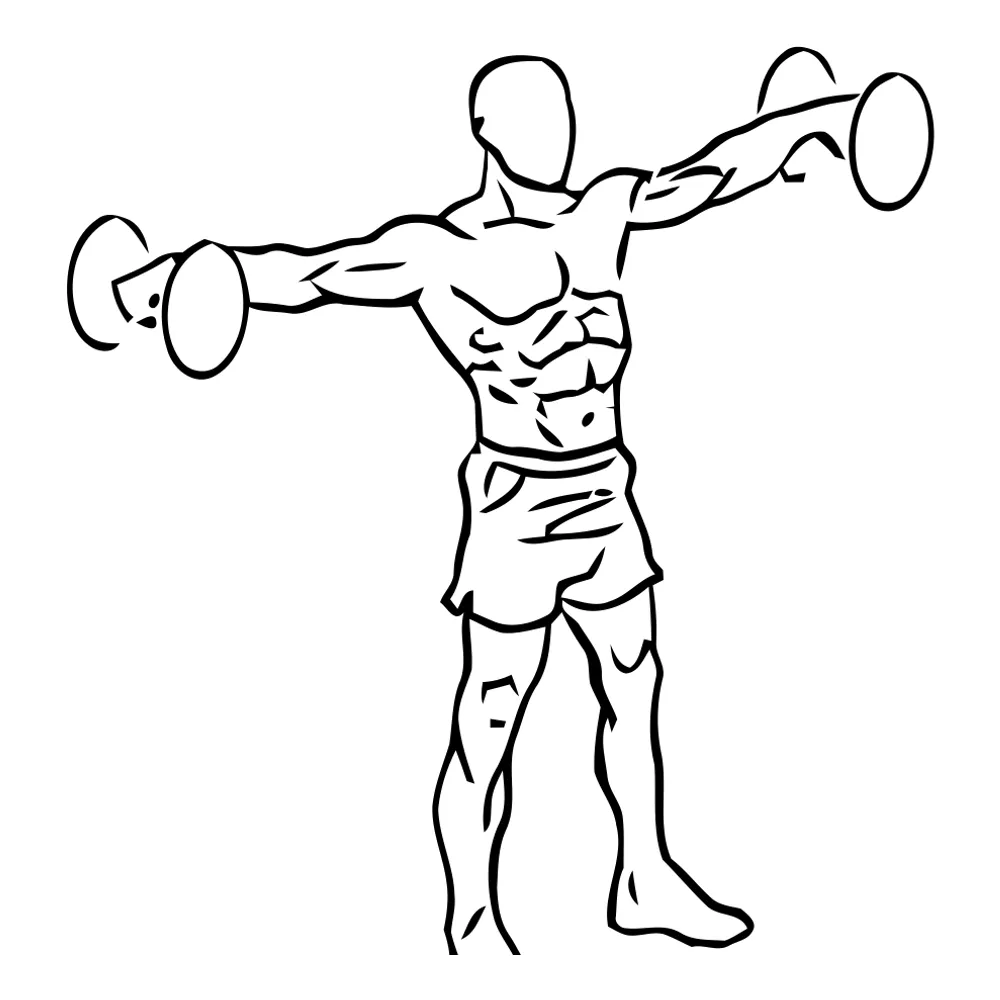
Lateral Dumbbell Raises
Side delt — shoulder width is built here, nowhere else
No other exercise isolates the lateral deltoid as directly as this one, and nothing determines shoulder width more than lateral delt development. Hold the dumbbells with your thumbs slightly higher than your pinkies, or keep the wrists neutral with the back of the hand facing the ceiling. Avoid the old cue of tipping the pinky up, which internally rotates the shoulder and compresses the subacromial space over time. Raise to shoulder height, control the descent, and resist the urge to use momentum. The return is half the work.
4 sets × 12–15 reps. Last set reaches failure at rep 15. If you're cheating, the weight is too heavy.
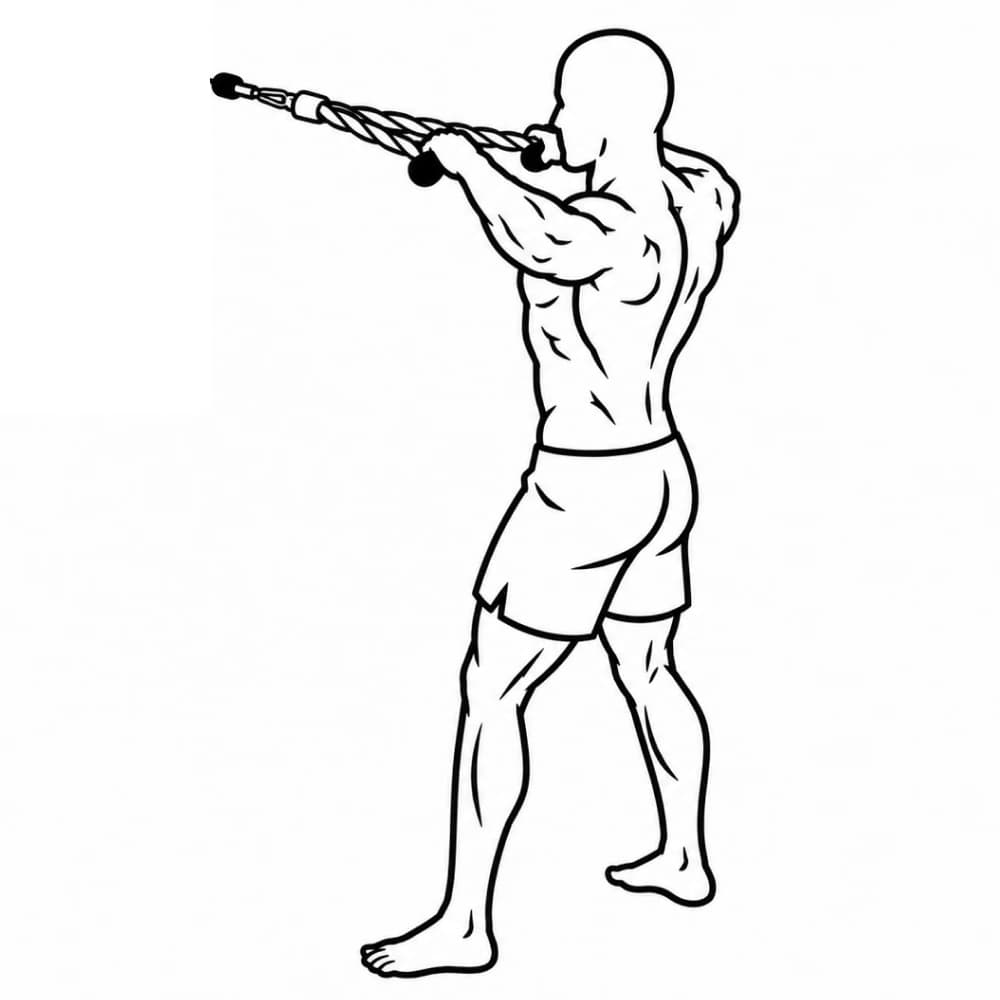
Face Pull
Rear delt and rotator cuff — finish with function
Set the cable pulley at roughly face height, use a rope attachment, and pull it toward your face while your elbows flare out and back. At the end position, your hands should be beside your ears and your upper arms parallel to the floor. The face pull trains the rear delt and external rotators together, which makes it both a muscle-building exercise and a structural counterbalance to all the internal rotation that pressing creates. It belongs at the end of every shoulder session.
3 sets × 15 reps. Moderate weight. Prioritize full range of motion over load.
The shoulders are one of the most injury-prone joints in the gym, and most of that risk comes from imbalance, not overload. Front delts get their work from every pressing session you do. The job of this routine is to make sure the rest of the shoulder keeps up.