The sirens have stopped. The internet is gone. The nearest supermarket has been thoroughly looted, and someone has already attempted to establish a new government in the parking lot.
Civilization has officially entered its post-apocalyptic phase.
In the old world, your profession determined what appeared beneath your name on LinkedIn. In the new one, it determines whether your settlement has medicine, electricity, fresh vegetables, or a suspiciously confident person insisting that cryptocurrency will recover any day now.
For this tier list, we are judging ten professions by their usefulness after society collapses. Practical skills matter, but so do adaptability, equipment requirements, and the ability to stop a frightened group of survivors from turning on one another after three consecutive dinners of canned beans.
This is not career advice. Unless the apocalypse has already started, in which case you probably have more pressing tabs open.
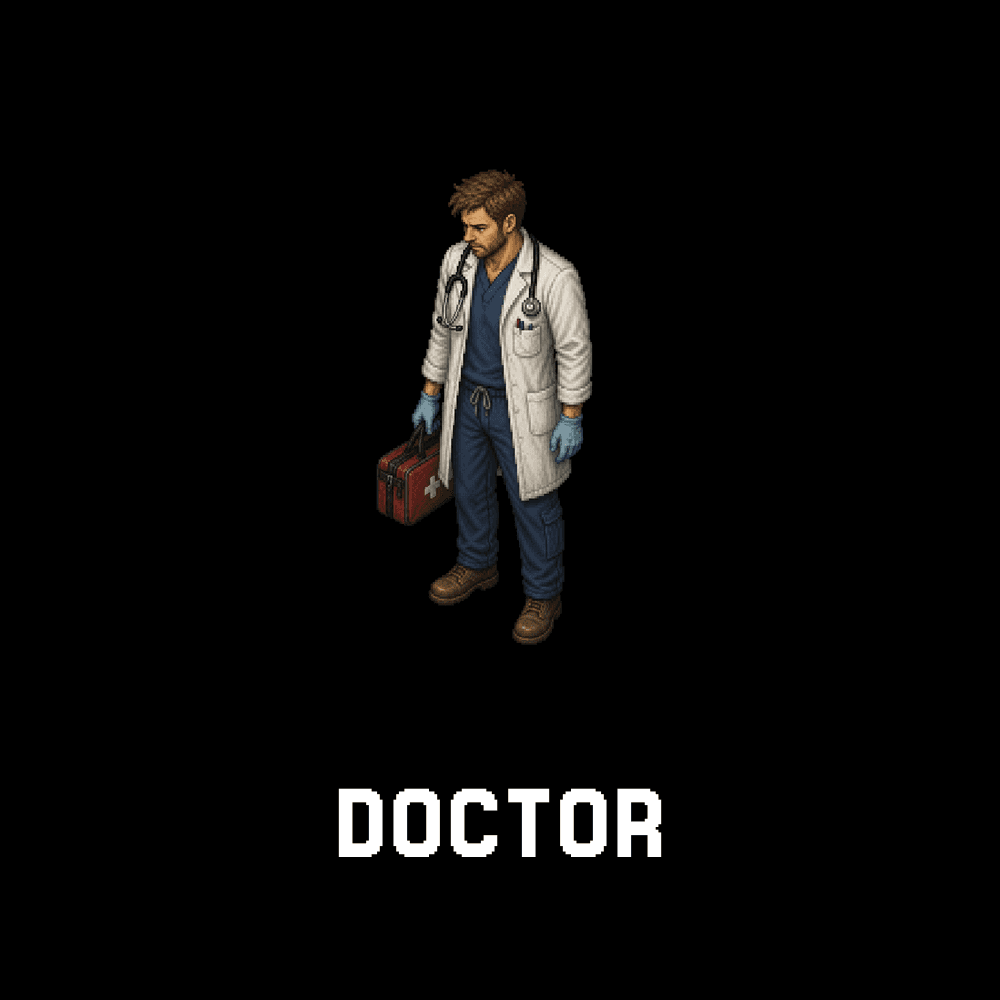
Doctor
There are no surprises here. Doctors are the rare characters you protect even when they insist on walking directly into danger for narrative reasons.
A doctor can diagnose illnesses, treat injuries, manage infections, and tell the difference between “sleep it off” and “you have approximately six minutes to find antibiotics.” In a world filled with rusty metal, questionable water, unstable buildings, and people who think they can hunt, that knowledge becomes priceless.
The main limitation is equipment. A doctor without medicine, sterile tools, or electricity cannot perform miracles. Even so, medical training remains useful long after the final hospital generator shuts down. Knowing what not to do can be just as important as knowing how to operate.
Every settlement wants a doctor. Every raider gang wants to kidnap one. Every doctor just wants everyone to stop touching mysterious mushrooms.
Verdict: An automatic S Tier pick and probably the most protected person in the camp.
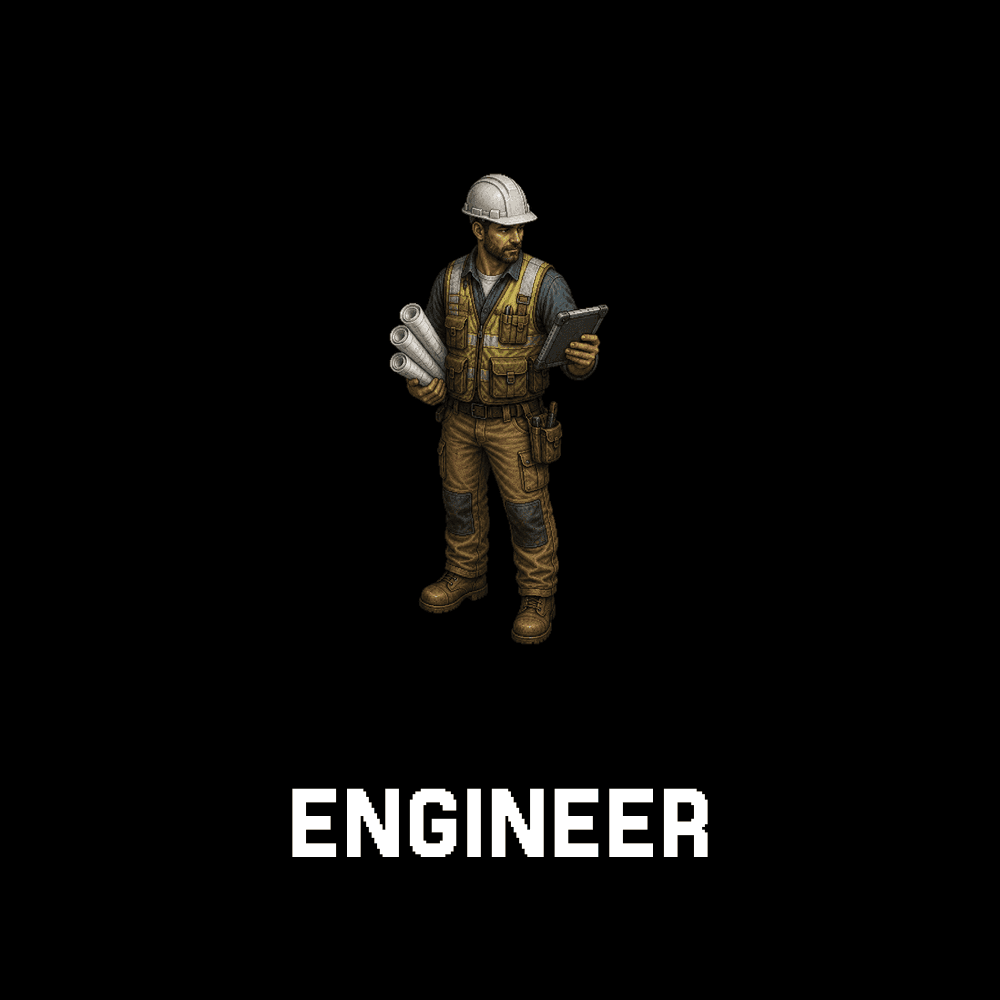
Engineer
“Engineer” covers an enormous range of specialties, and that is exactly why it earns a place in S Tier.
The post-apocalypse is essentially one endless engineering problem. The generator is broken. The bridge has collapsed. The rainwater system leaks. Someone wants to turn an abandoned delivery van into an armored transport, despite having only scrap metal and inappropriate confidence.
Engineers may not personally know how to solve every one of these problems, but they understand systems, materials, constraints, and failure. More importantly, they are trained to look at a terrible situation and begin converting it into a series of slightly less terrible situations.
An engineer working alongside mechanics, carpenters, and electricians could transform a group of survivors into an actual settlement. Walls, power, irrigation, transportation, sanitation: civilization is built from systems, and engineers are good at making systems behave.
Verdict: S Tier because rebuilding the world requires someone who understands why the old one worked.
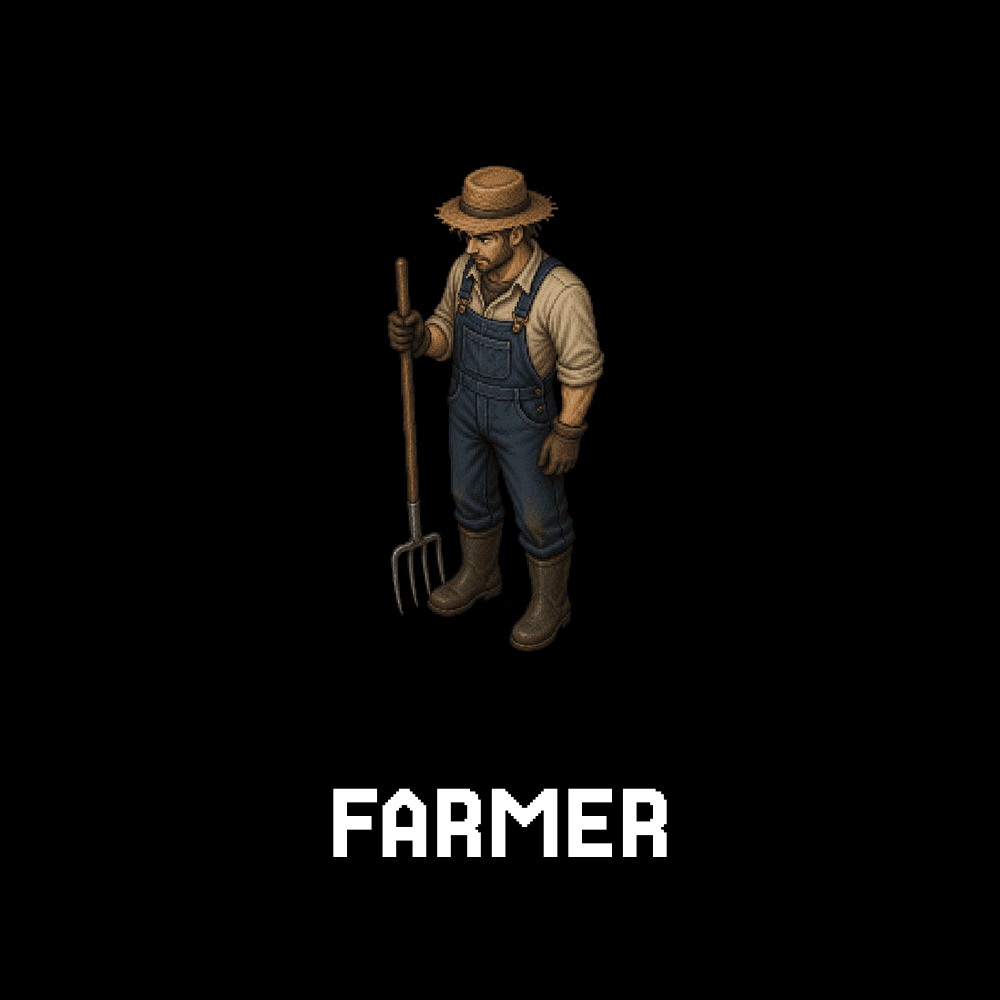
Farmer
Your stock portfolio has vanished, money has become decorative paper, and the last convenience store was emptied six months ago. Suddenly, the person who knows how to grow potatoes is the most interesting person in the room.
Farmers understand soil, seasons, crops, pests, irrigation, and the deeply inconvenient fact that food does not appear simply because people are hungry. Hunting and scavenging might sustain a small group temporarily, but a permanent community needs a reliable food supply.
The reason Farmer stops just short of S Tier is time. Crops cannot be rushed, bad weather does not respect your survival plan, and one failed harvest can turn a promising settlement into a very tense cooking competition.
Still, once the emergency phase ends, farmers become indispensable. You can survive a week with canned food. You build a future with seeds.
Verdict: A Tier in the opening months, dangerously close to S Tier once people decide to stay anywhere permanently.
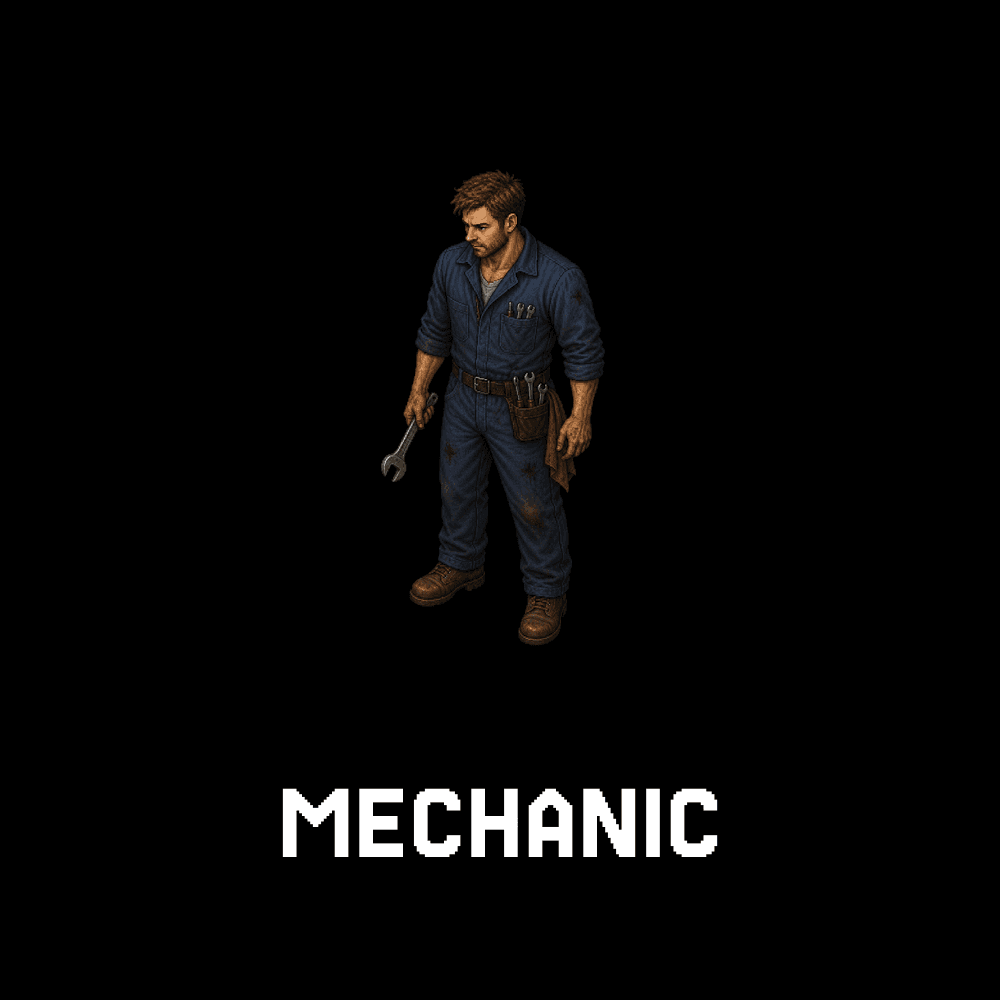
Mechanic
Post-apocalyptic fiction loves vehicles but rarely acknowledges the exhausted mechanic keeping them alive.
Cars, trucks, generators, pumps, tractors, and improvised machinery will all require maintenance. Fuel eventually degrades and replacement parts become scarce, but mechanical knowledge does not suddenly become useless. It becomes more creative.
A good mechanic can salvage components, repair engines, maintain generators, and identify which abandoned machine is worth saving. When proper parts run out, the job becomes half engineering and half mechanical improvisation.
Mechanics also possess one of the apocalypse’s most powerful abilities: hearing an unpleasant noise and knowing whether it means “we can keep driving” or “everyone should get out immediately.”
They remain in A Tier because their greatest talents often depend on tools, parts, and machines that become harder to find. Until those resources disappear, however, they are among the most valuable people in any mobile group.
Verdict: A Tier, with a significant bonus if your settlement owns a functioning truck.
Carpenter
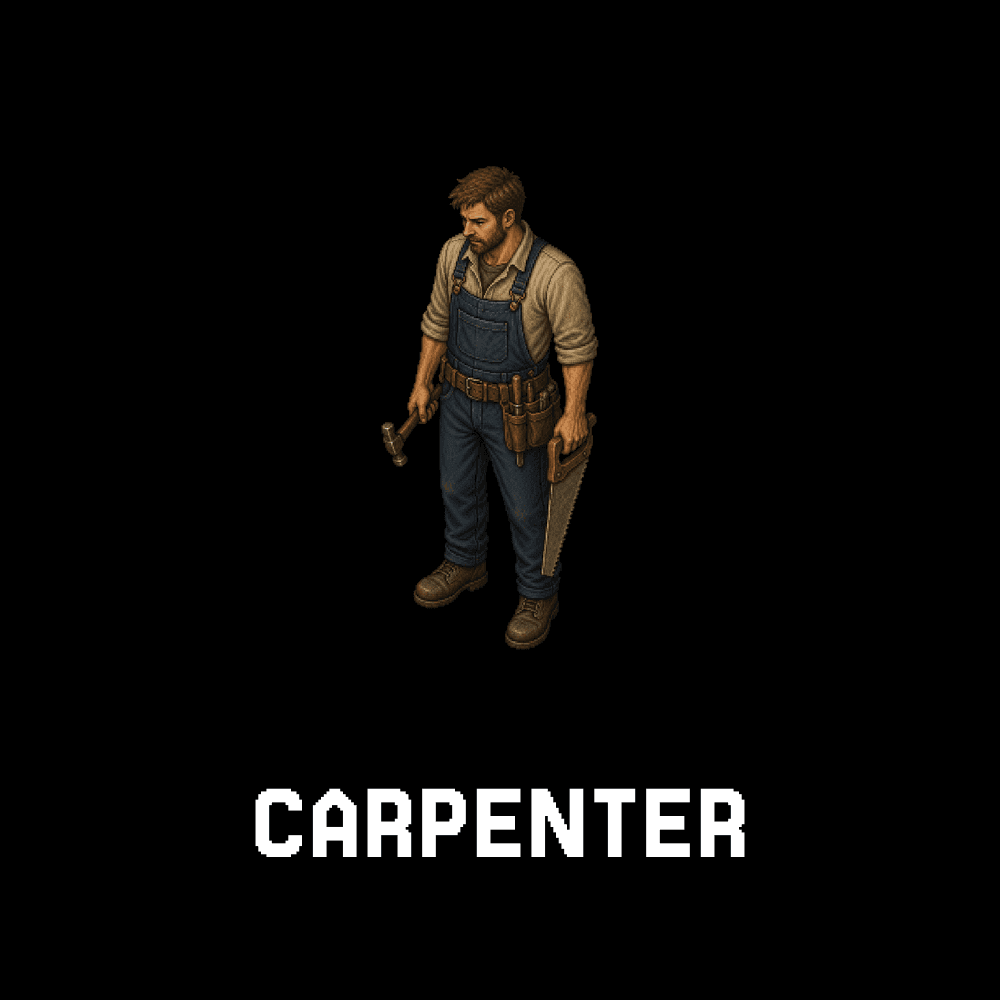
A carpenter might not dominate the dramatic opening week of an apocalypse, but give the survivors a month and everyone will suddenly have requests.
The gate needs reinforcement. The roof needs repair. The doctor wants a proper table. The farmer needs storage. Someone built a watchtower, but it sways whenever the wind changes direction.
Carpenters turn raw materials into shelter, furniture, defenses, tools, and infrastructure. Their work helps a collection of tents become something resembling a village. Unlike many modern professions, carpentry also survives reasonably well without electricity. Hand tools are slower, but they still work.
The profession sits in B Tier because its value depends on the group reaching a relatively stable stage. During an active escape, carrying lumber is not especially convenient. Once the survivors settle down, however, the carpenter begins climbing toward A Tier.
Verdict: B Tier at first, but an excellent long-term investment.
Radio Operator
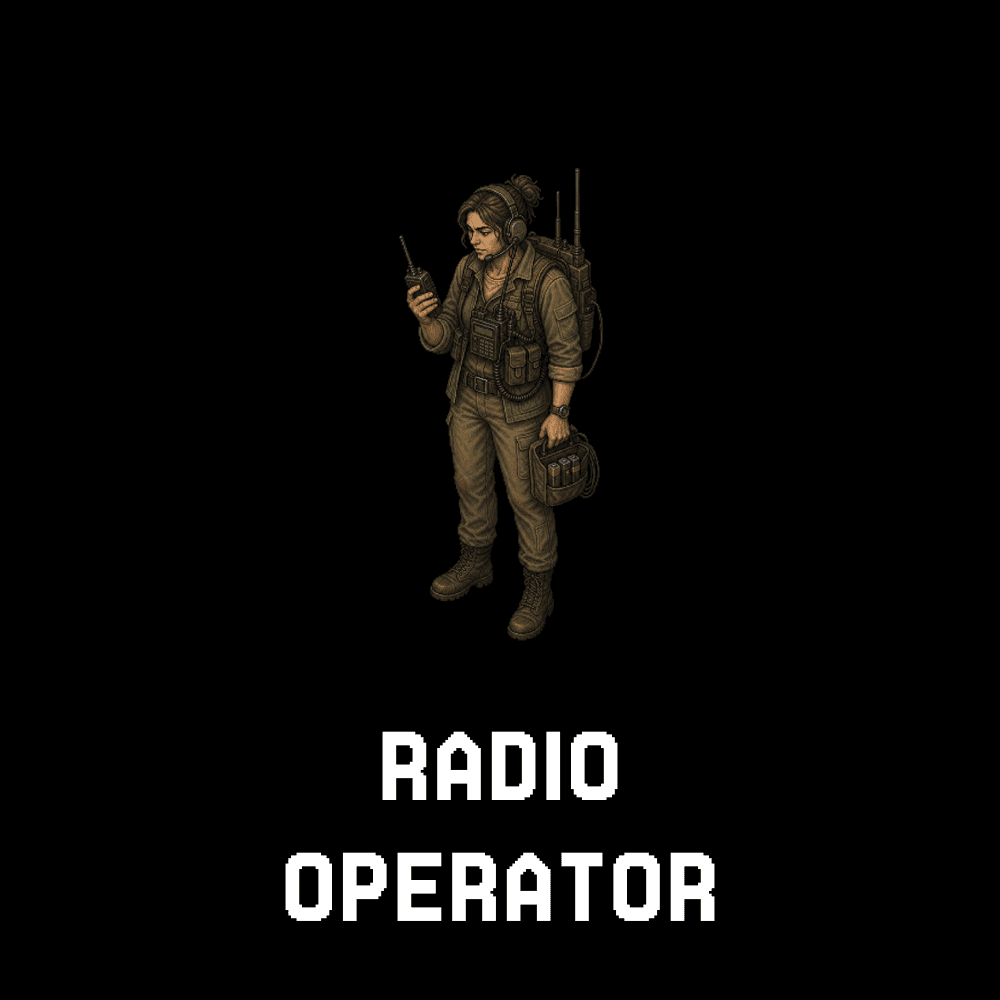
When phones and internet access disappear, communication becomes a luxury again.
A radio operator can monitor emergency broadcasts, establish contact with other settlements, coordinate distant teams, and determine whether that strange transmission is a rescue attempt or an obvious trap. In a disconnected world, reliable information could be worth more than ammunition.
Radio operators also understand frequencies, antennas, signal conditions, and the essential art of speaking clearly when everyone else is shouting. Their usefulness extends beyond pressing a button and saying “come in.” They make communication networks possible.
The drawback is obvious: radios require equipment and power. A radio operator without either is just someone with excellent communication etiquette. Even with working gear, there must be somebody else listening.
Verdict: B Tier because information wins battles, but only when the batteries cooperate.
TikToker
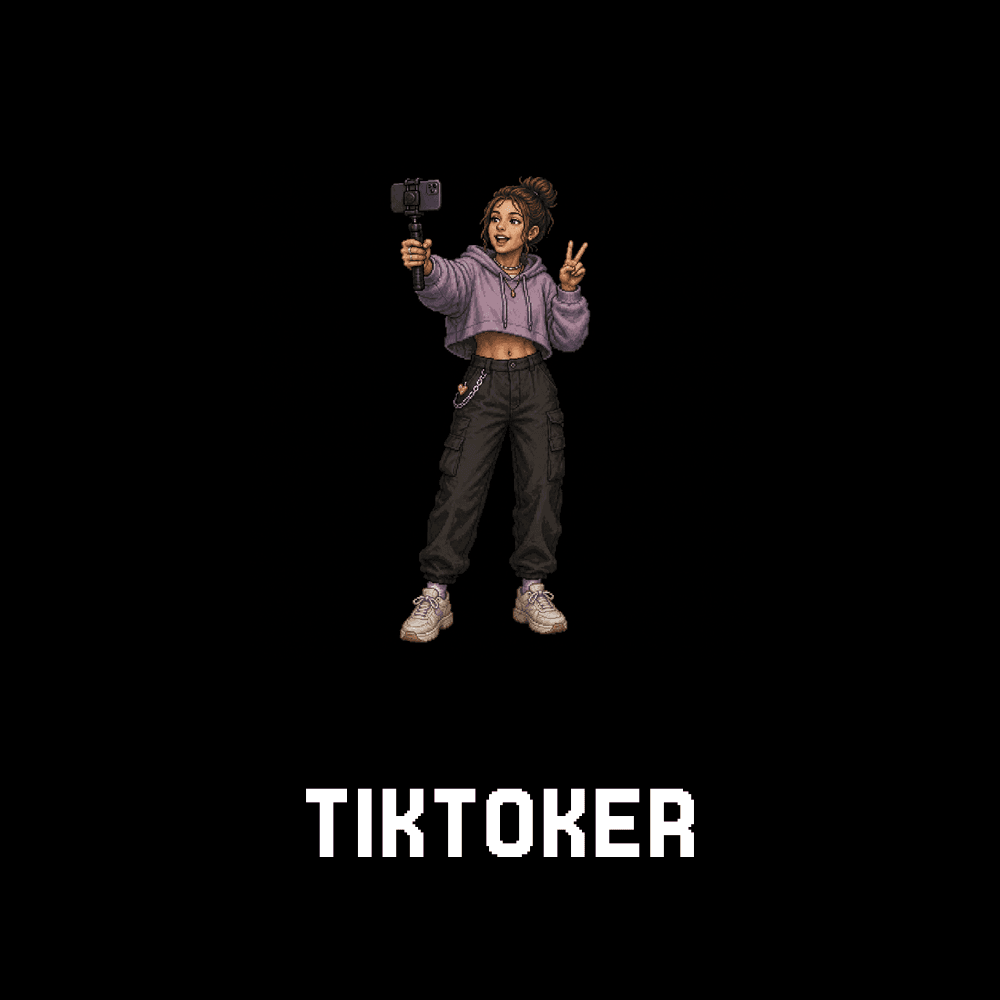
Yes, TikToker is in B Tier. Please lower your improvised weapons and allow us to explain.
TikTok itself will be gone. The servers are down, the algorithm is dead, and nobody is interested in a sponsored skincare routine filmed beside a burning motorway. But successful TikTokers often possess a transferable skill: they know how to capture attention and entertain people quickly.
That sounds trivial until your settlement has spent eight months surviving without television, music streaming, games, fresh news, or anything funnier than watching someone open an expired can of peaches.
Morale matters. A TikToker who can perform, tell stories, create games, organize ridiculous challenges, or make exhausted people laugh could become a strangely important part of community life. They would not produce food or repair generators, but they might remind everyone why staying alive is worthwhile.
This ranking assumes the TikToker can adapt to a live audience. If their entire talent depends on filters, editing software, and pointing at floating captions, immediate demotion may be necessary.
Verdict: B Tier as an unlikely morale specialist, provided they can perform without Wi-Fi.
Pilot
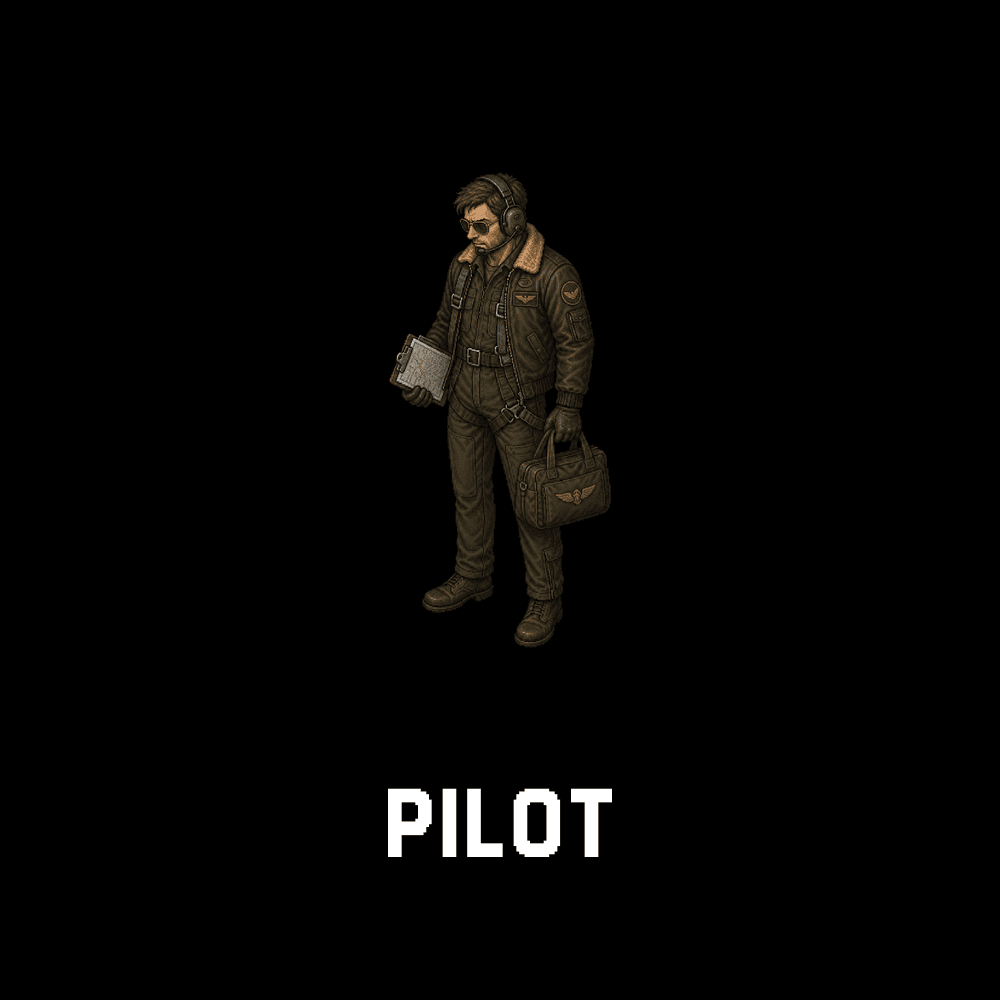
Finding a pilot during the apocalypse sounds like the beginning of an escape plan. Finding a pilot, a functional aircraft, aviation fuel, a safe runway, replacement parts, and a destination that is not worse than your current location sounds considerably less likely.
When all those conditions are met, a pilot becomes enormously valuable. Aircraft can scout large areas, transport supplies, evacuate survivors, and bypass blocked roads. For a brief and glorious moment, the pilot may look like the most important person alive.
Then the fuel runs out.
Pilots do bring useful secondary skills: navigation, weather awareness, emergency decision-making, radio procedure, and the ability to remain calm while a machine behaves alarmingly. Those qualities keep the profession out of F Tier.
Still, this is a class built around rare and maintenance-heavy equipment. Without an aircraft, a pilot is mostly an excellent storyteller with strong opinions about checklists.
Verdict: C Tier, unless your apocalypse conveniently includes a fully stocked airfield.
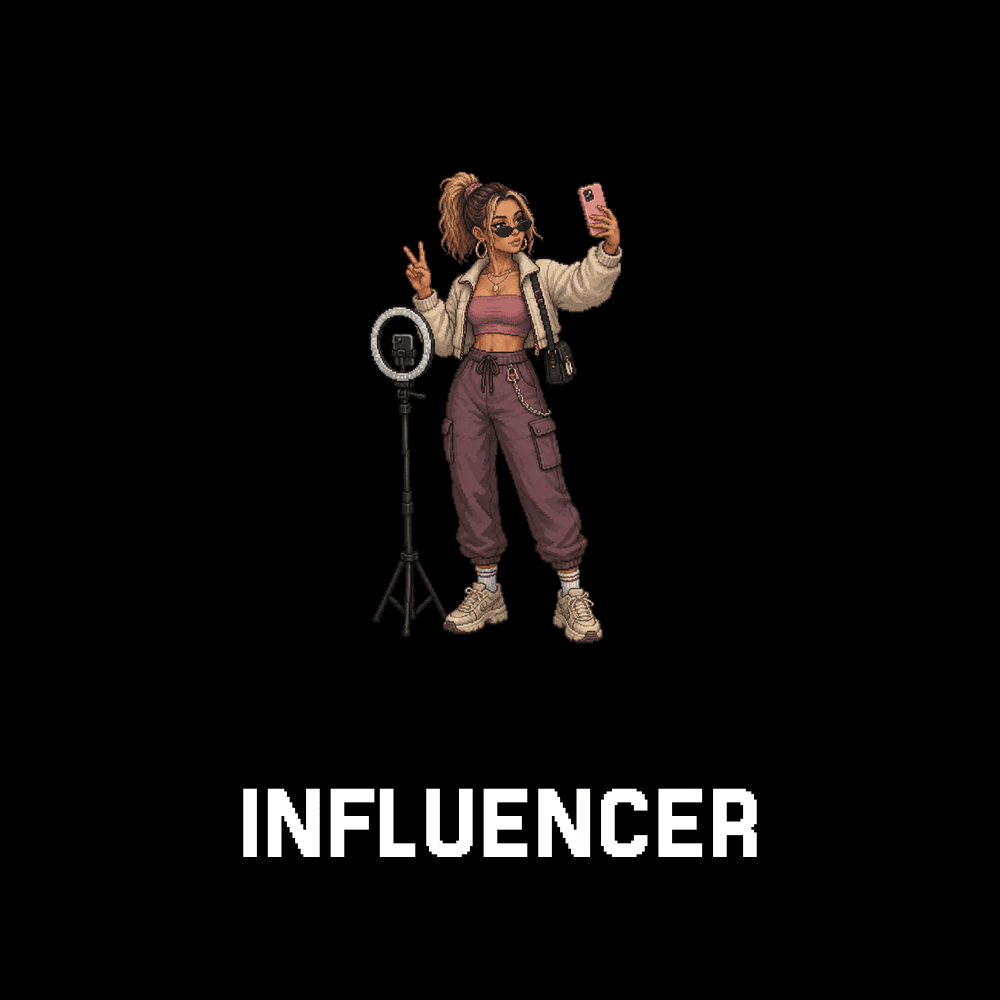
Influencer
At first glance, placing Influencer in F Tier while TikToker sits in B Tier appears outrageously inconsistent. That is because it is, but there is a distinction.
Our B Tier TikToker survives by turning content creation into live entertainment. The F Tier influencer is still trying to preserve the old business model. Their skills revolve around personal branding, product promotion, audience metrics, luxury access, and convincing strangers that an ordinary beverage is part of an aspirational lifestyle.
Unfortunately, the apocalypse has done terrible things to engagement rates.
An adaptable influencer could certainly become a performer, organizer, negotiator, or charismatic leader. But at that point, they are surviving through those new roles rather than through influencing. Nobody cares how many followers you once had when the settlement needs someone to clean the water tank.
There may be one use left: standing beside the barricade and announcing that tonight’s mutant attack is brought to you by a meal replacement powder.
Verdict: F Tier unless “influence” can be converted into actual leadership.
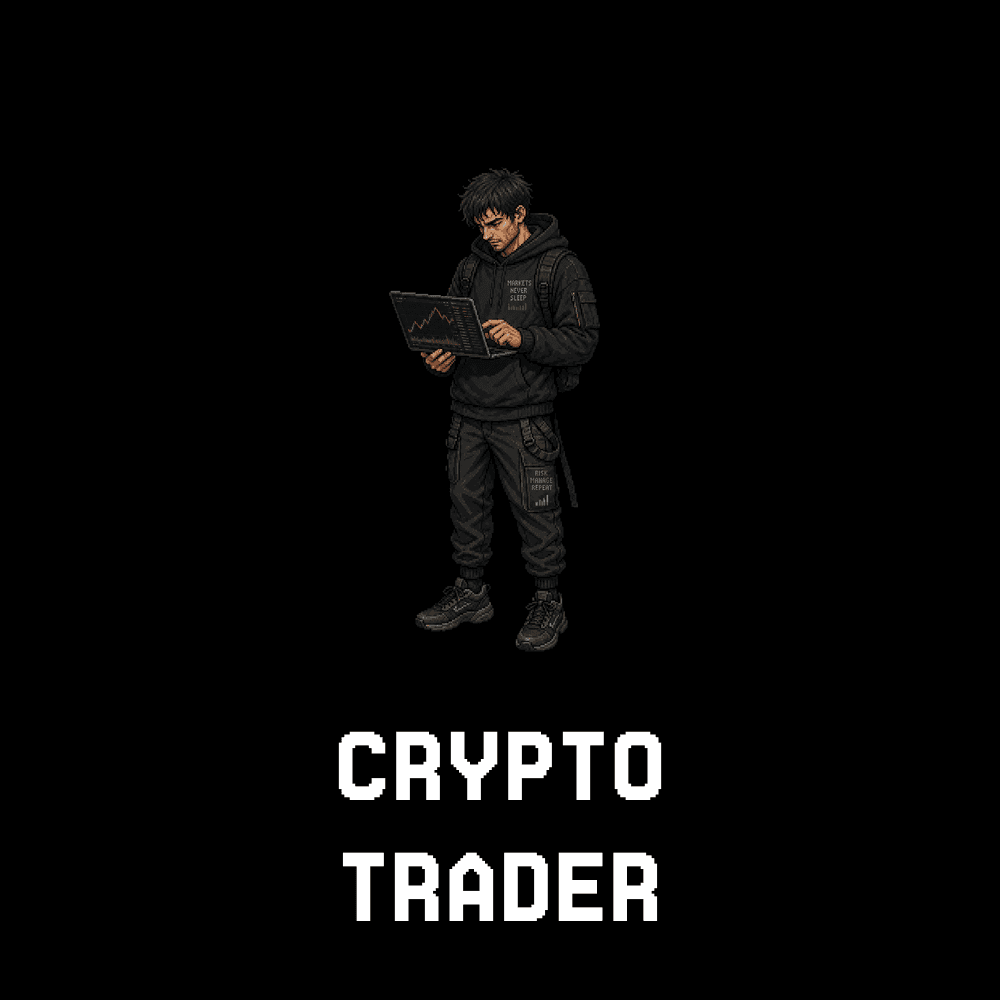
Crypto Trader
The electrical grid has failed. Global financial institutions no longer exist. The internet is a fading memory. Your neighbor has started accepting batteries as currency.
This is not a favorable market environment for the crypto trader.
Trading requires functioning exchanges, communication networks, electricity, digital wallets, and enough social stability for people to agree that invisible assets possess value. The apocalypse has removed almost every layer of that arrangement.
A crypto trader may understand risk, markets, negotiation, and crowd psychology. Those skills could be helpful when settlements begin trading resources. Unfortunately, explaining blockchain technology will not repair a roof, treat an infection, or stop your vegetable garden from dying.
Perhaps cryptocurrency returns once electricity and communication networks are restored. By then, the engineer, mechanic, farmer, and radio operator will have done most of the difficult work.
Verdict: F Tier. Buy the dip, assuming “the dip” refers to canned beans.
The apocalypse does not care about résumés. It cares whether you can heal a wound, repair a generator, grow food, build shelter, or keep twenty frightened people from losing their minds during a rainstorm.
Doctors and engineers rule the immediate crisis because they preserve lives and solve problems. Farmers and mechanics sustain the systems that keep a settlement moving. Carpenters and radio operators help turn survival into civilization. Even TikTokers may discover that entertainment matters more when the world has run out of it.
Meanwhile, pilots wait hopefully beside empty runways, influencers search for an audience, and crypto traders continue insisting that the market is about to bounce back.
Ultimately, the ideal post-apocalyptic community needs more than practical specialists. It needs builders, healers, problem-solvers, communicators, and at least one person capable of making everyone laugh when dinner is beans for the fourth night in a row.
Just make sure the engineer gets the largest portion.